Skip to content
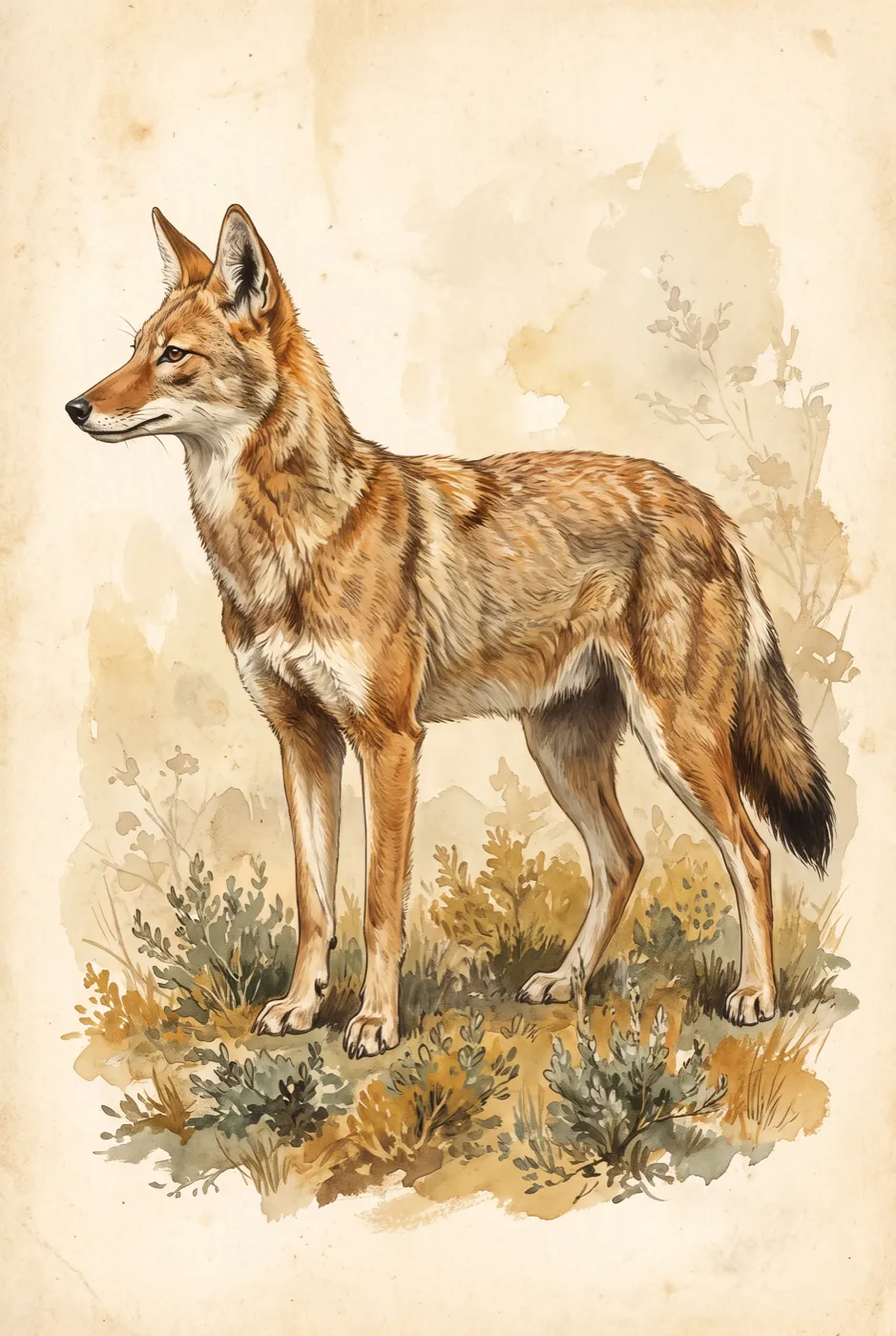
Original illustration of the Ethiopian Wolf

Card 22 of 30

Ethiopian Wolf

Canis simensis

Endangered

Africa's rarest carnivore lives on islands in the sky.

Size
About 35 lbs — slim and long-legged
Lifespan
Not reliably documented
Diet
Rodents — chiefly giant molerats
Remaining↓
Fewer than 500 adults per the Ethiopian Wolf Conservation Programme
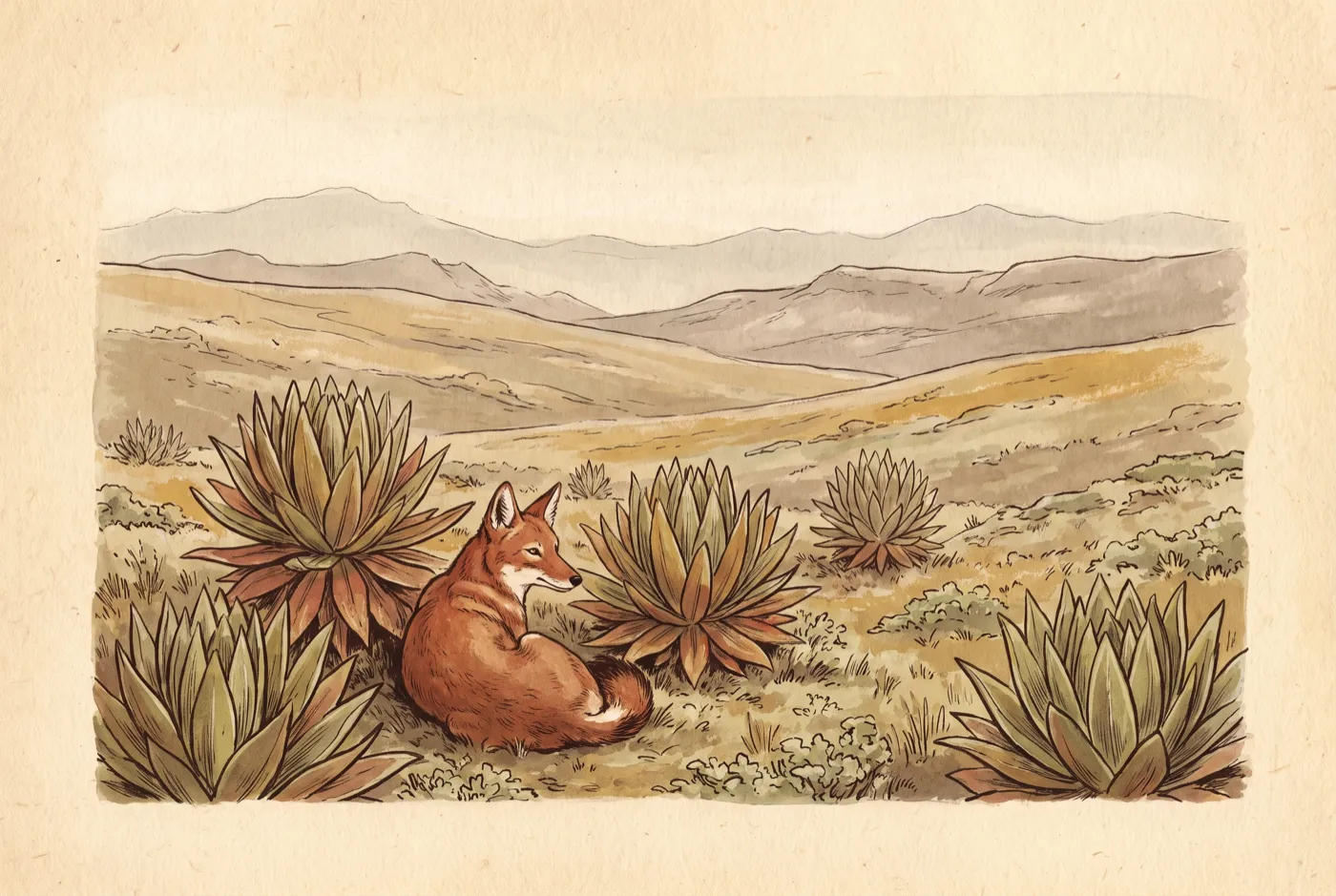
The Ethiopian Wolf in its habitat, an original illustration
Afroalpine highlands of Ethiopia

Where it lives

Afroalpine highlands of Ethiopia

Ranges stay general on purpose. Witness never publishes a location that could help someone find an animal already under pressure.

See it on the map

What threatens it

  • Rabies from dogs
  • Canine distemper
  • Farms to 4,000 m
  • Dog hybridization

Life cycle

Only the pack's alpha female breeds. Up to seven pups emerge from the den at three weeks, born between October and December, and the whole pack rears them — delivering prey and regurgitating meals.

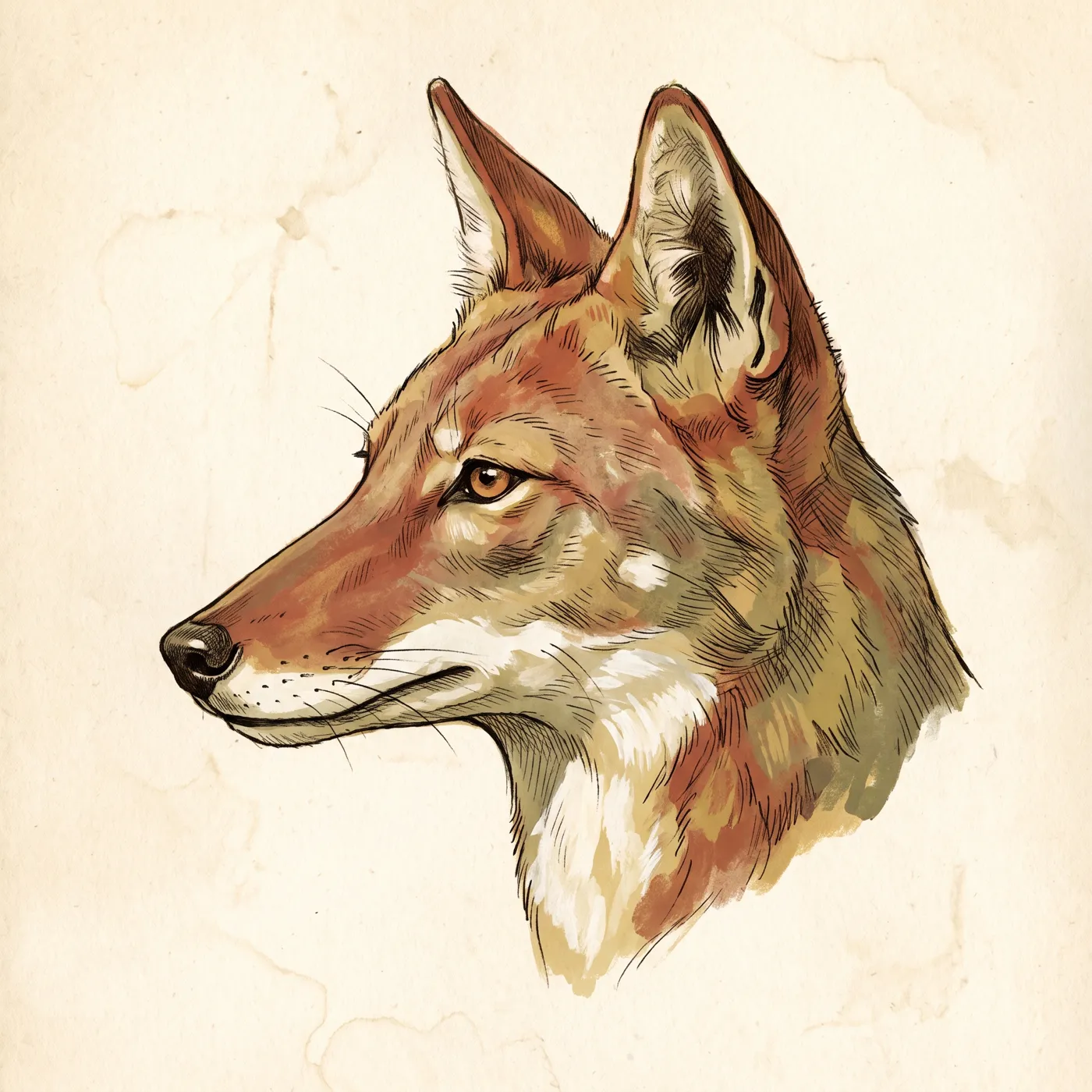
Field study of the Ethiopian Wolf, an original illustration
Field study · Ethiopian Wolf
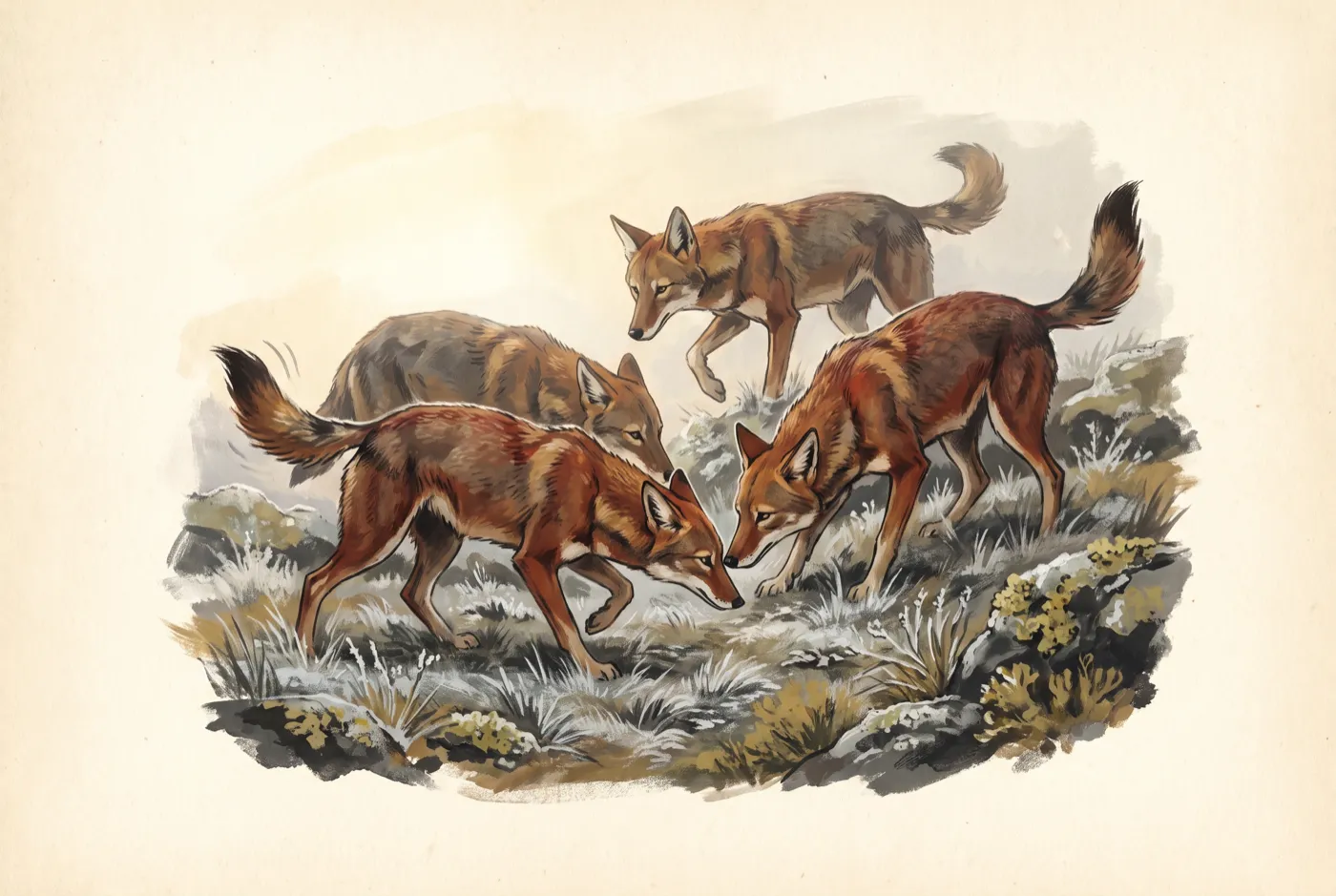
The Ethiopian Wolf observed in the field, an original illustration
Field observation

Field notes

Every passage carries the number of the source it came from. Nothing here is written from memory.

The Ethiopian wolf is a wolf in fox's clothing: bright tawny-rufous with white markings, long slender legs, a fine narrow muzzle.Source 1Source 2

It lives only on the roof of Africa — mountain meadows between 3,000 and 4,500 meters, on islands of sky too far apart to cross.Source 3Source 1

It is Africa's rarest carnivore: fewer than five hundred adults, in six separated populations.Source 3Source 4

Its habits are split in two: packs greet and patrol together at dawn and dusk, but every wolf hunts alone.Source 2Source 1

The prey is rodents — above all the giant molerat, an Afroalpine animal found nowhere else.Source 2

The killer arrives on four familiar feet: rabies and distemper spill over from village dogs, crashing whole populations in weeks.Source 5Source 3

The response is a vaccine hidden inside a piece of meat, left in the field where a wolf will find it.Source 6

The program vaccinates the dogs too — more than three thousand a year around wolf country.Source 6

Meanwhile the mountains themselves shrink: sixty percent of wolf range has already gone under barley and potatoes.Source 5

To witness the Ethiopian wolf is to stand with the monitors who log thousands of sightings a year, holding a species steady one pack at a time.Source 7
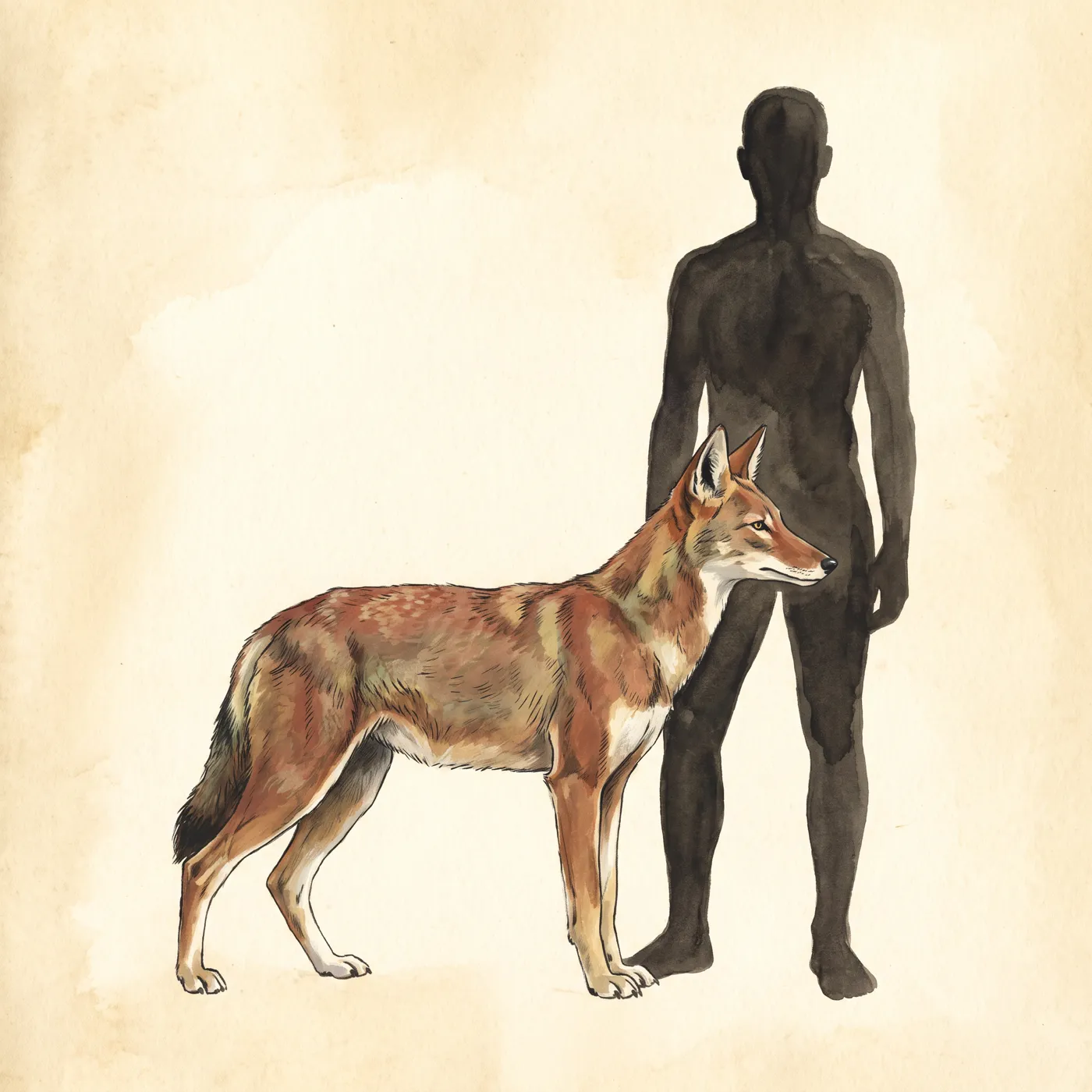

The Ethiopian Wolf drawn to scale beside a human figure
Scale study · beside a human figure

Did you know

Ethiopian wolves are solitary hunters but social sleepers — the pack patrols its borders together at dawn and rests together at night, yet every hunt is made alone.

This week’s act · for the Ethiopian Wolf

Meet the mountain wolf

Read the Ethiopian Wolf Conservation Programme's introduction: the sky-island range, the rodent hunts, and the vaccination race against rabies.

with Ethiopian Wolf Conservation Programme

4 minutes · Worldwide · verified 25 August 2026

Witness records that this door was opened. It never claims the outcome.

Help & protection

  • Ethiopian Wolf Conservation Programme

    One Health vaccination

    Oral rabies vaccines hidden in meat for wolves, and over 3,000 village dogs vaccinated each year to stop spillover at its source.

    View initiative ↗Verified 25 August 2026
  • WildCRU, University of Oxford

    Ethiopian Wolf Conservation Programme

    Founded in 1995: intensive monitoring, vaccination campaigns, community capacity building, and conservation translocations.

    View initiative ↗Verified 25 August 2026

Sources & verification

Status
Endangered
Range (generalized)
Afroalpine highlands of Ethiopia
Fact-checked
25 August 2026
Location review
generalized
Artwork
AI-assisted stylized illustration
  1. Ethiopian Wolf Conservation Programme

    About Ethiopian wolves

    Open source ↗Last accessed 25 August 2026
  2. Ethiopian Wolf Conservation Programme

    Ecology & behaviour

    Open source ↗Last accessed 25 August 2026
  3. Ethiopian Wolf Conservation Programme

    Taxonomy, distribution & status

    Open source ↗Last accessed 25 August 2026
  4. Ethiopian Wolf Conservation Programme

    Fact file

    Open source ↗Last accessed 25 August 2026
  5. Ethiopian Wolf Conservation Programme

    Threats

    Open source ↗Last accessed 25 August 2026
  6. Ethiopian Wolf Conservation Programme

    One Health

    Open source ↗Last accessed 25 August 2026
  7. Ethiopian Wolf Conservation Programme

    Monitoring and research

    Open source ↗Last accessed 25 August 2026
  8. WildCRU, University of Oxford

    Ethiopian Wolf Conservation Programme

    Open source ↗Last accessed 25 August 2026
  9. WildCRU, University of Oxford

    Ethiopian wolves

    Open source ↗Last accessed 25 August 2026

Record last fact-checked 25 August 2026. The illustrations are original, drawn for Witness; they are not photographs.

In the app, this card arrives on a Monday.

Meet the species, bear witness once, take up its act. The weekly card is free and stays free.