Skip to content
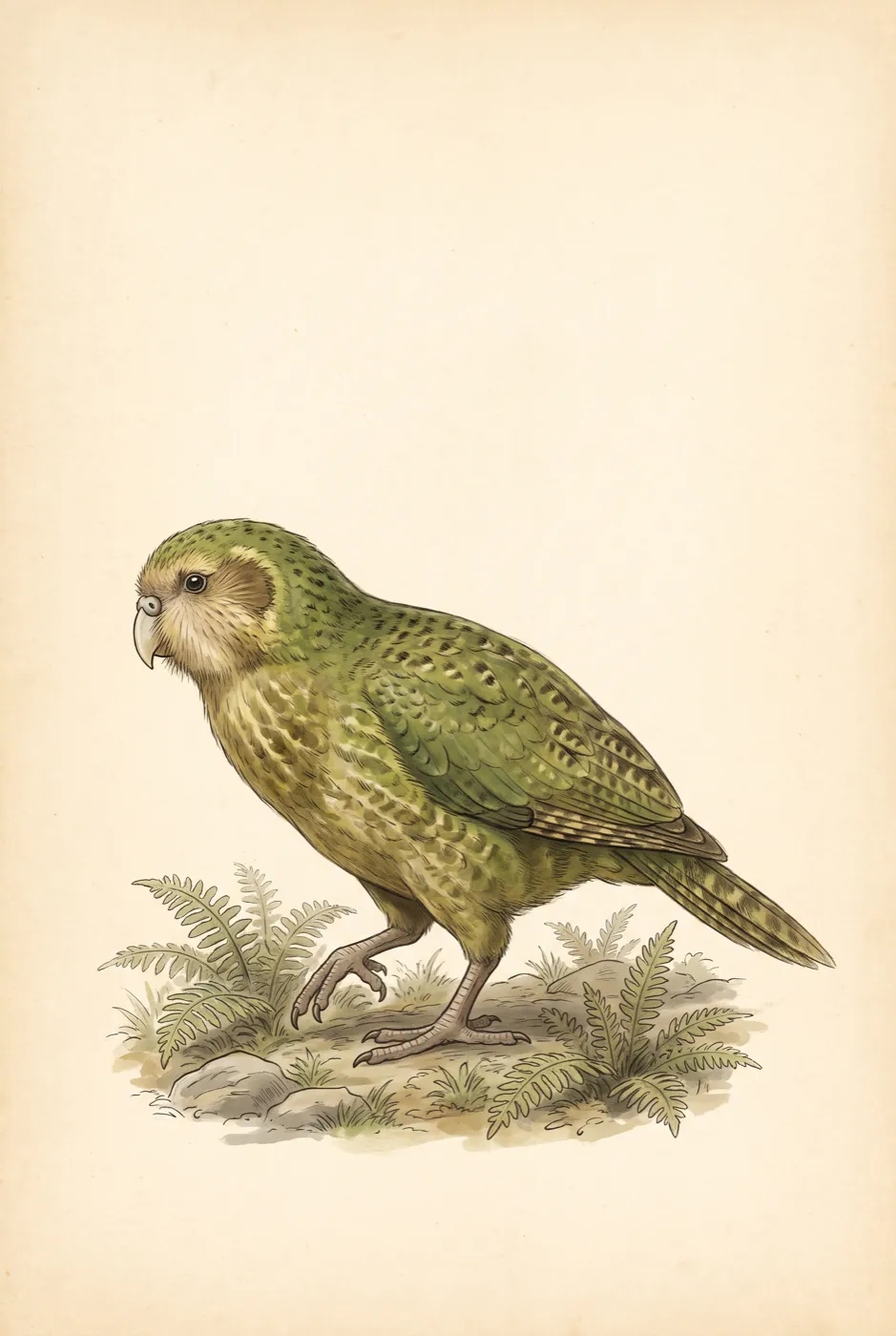
Original illustration of the Kākāpō

Card 03 of 30

Kākāpō

Strigops habroptilus

Nationally Critical

The world’s heaviest parrot cannot fly—and booms in the dark.

Size
Males up to 4 kg
Lifespan
60–90 years
Diet
Entirely vegetarian — leaves, buds, fruit & seeds
Remaining↑
235 birds per NZ DOC
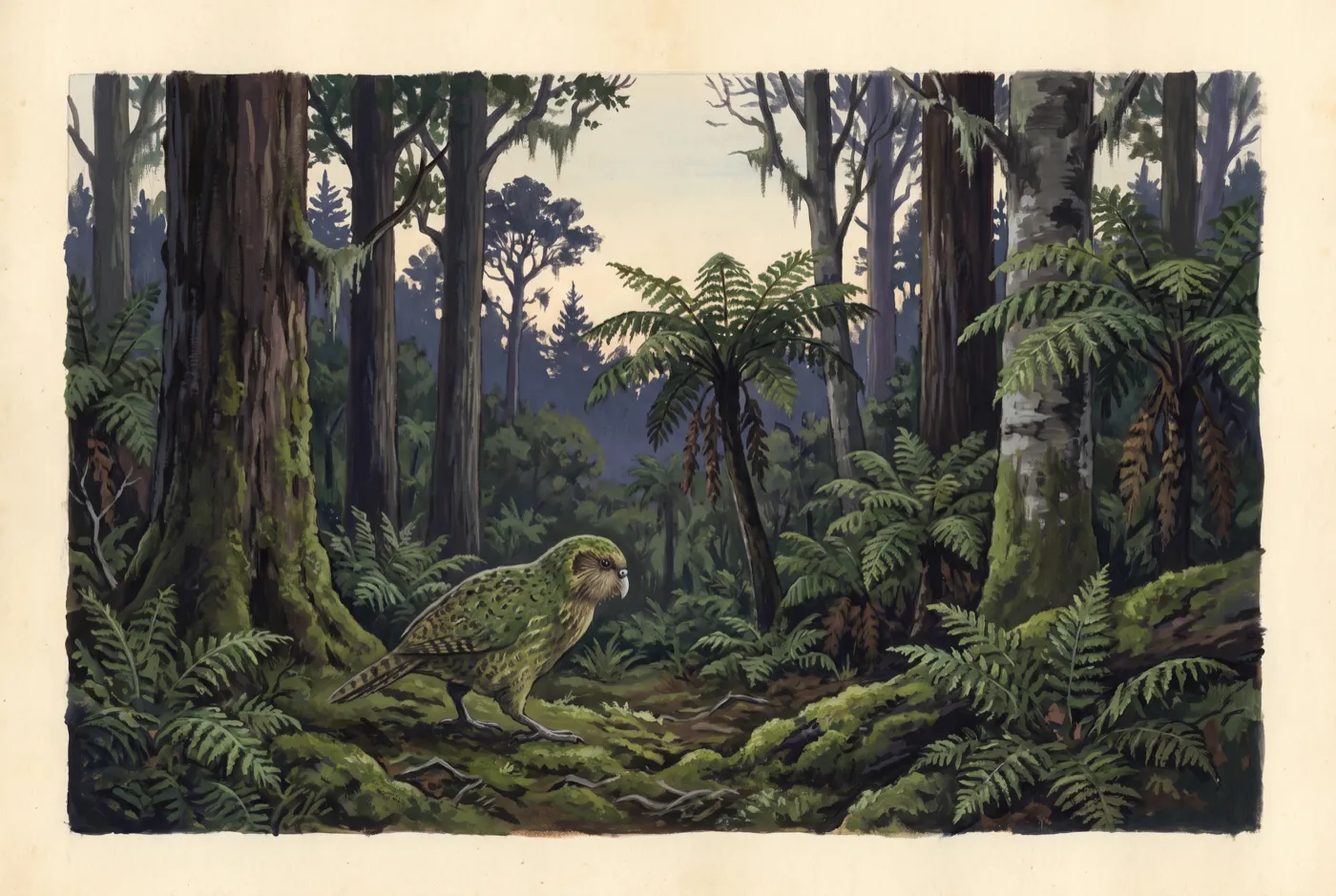
The Kākāpō in its habitat, an original illustration
Predator-free island and fenced sanctuaries, New Zealand

Where it lives

Predator-free island and fenced sanctuaries, New Zealand

Ranges stay general on purpose. Witness never publishes a location that could help someone find an animal already under pressure.

See it on the map

What threatens it

  • Introduced predators
  • Disease
  • Low hatching success
  • Historic habitat loss

Life cycle

Kākāpō breed in summer and autumn, but only in years when native trees fruit heavily. On the southern islands that means the rimu: they breed when it fruits, roughly once every two to four years.

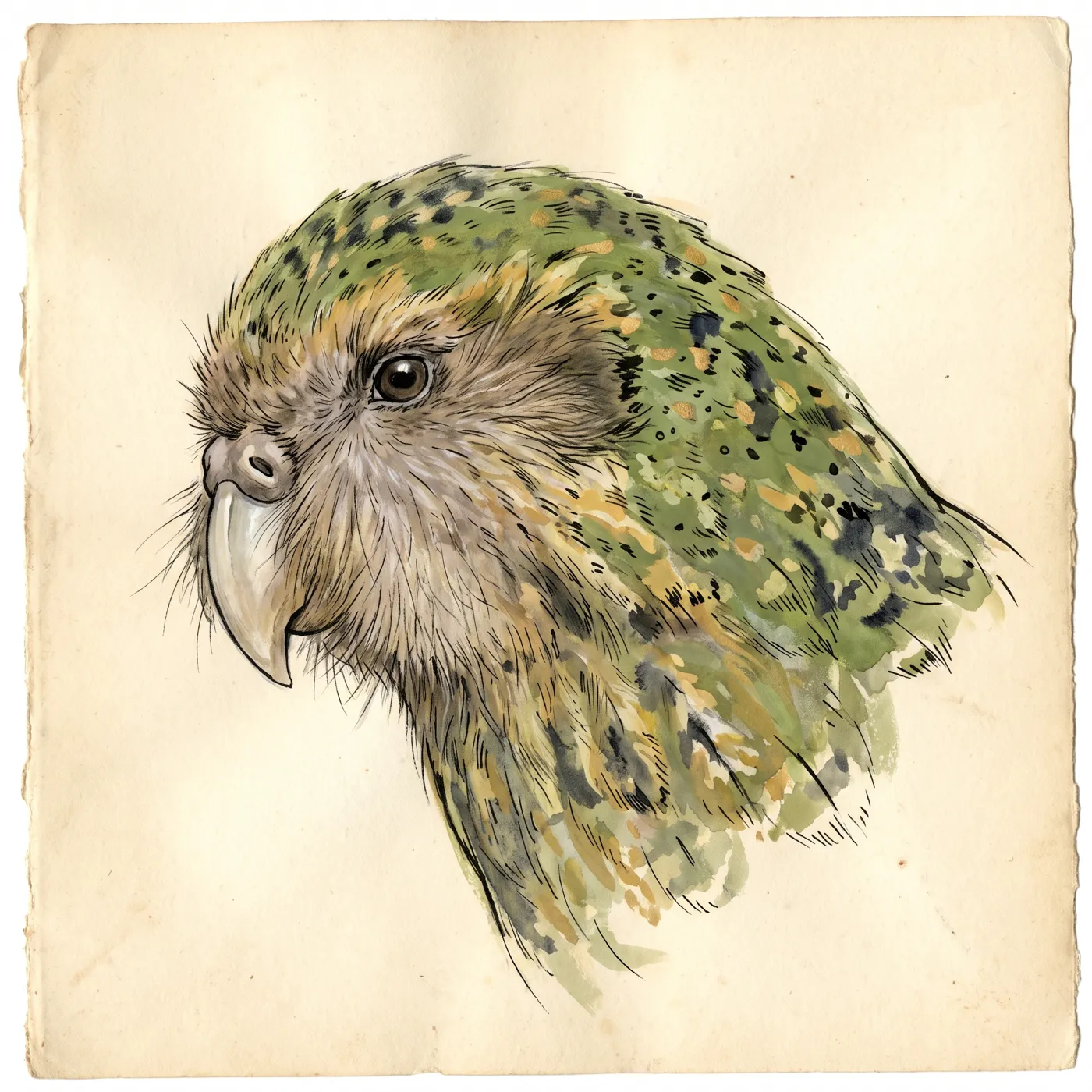
Field study of the Kākāpō, an original illustration
Field study · Kākāpō
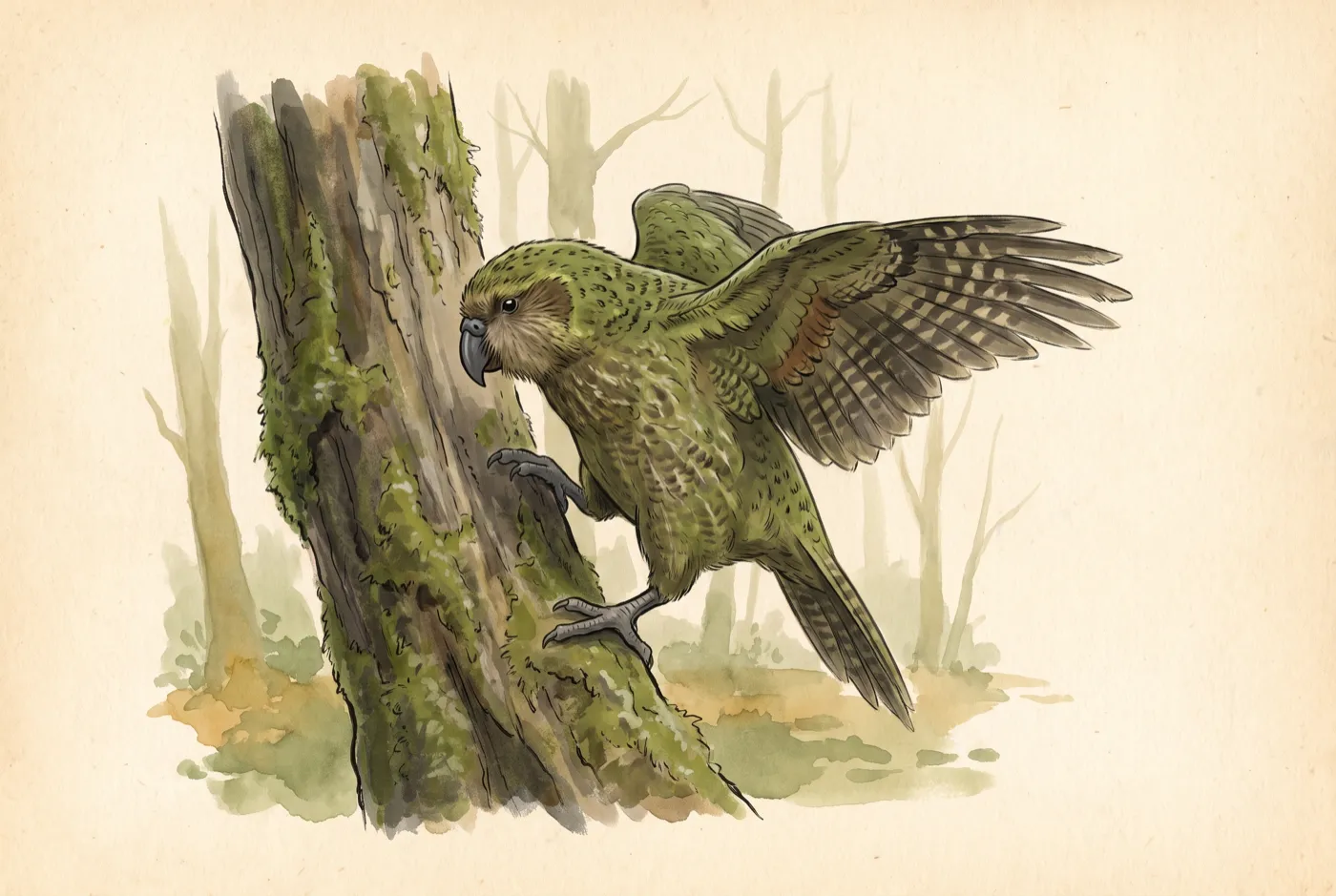
The Kākāpō observed in the field, an original illustration
Field observation

Field notes

Every passage carries the number of the source it came from. Nothing here is written from memory.

The kākāpō answers almost every expectation of a parrot with an exception. It cannot fly. It walks the night with an owl-like face and a waddling gait.Source 1

It is the heaviest parrot in the world, and possibly the longest-lived bird, with lives measured in many decades.Source 1

It is also the world’s only lek-breeding parrot: in breeding years, males boom across the hills for nights on end.Source 1

Kākāpō are taonga—a treasured species—to Ngāi Tahu, the principal Māori iwi of southern New Zealand.Source 1

Once found across New Zealand, kākāpō nearly vanished after human arrival brought hunting, habitat loss, and predators their ground-nesting lives could not survive.Source 1

Every kākāpō alive today lives wild on predator-free islands or in fenced sanctuaries, watched over by the Kākāpō Recovery programme.Source 1Source 2

Its keepers contend with low hatching success and the constant need for more predator-free habitat—and still the population has grown.Source 1Source 2

To witness the kākāpō is to learn how much care a species can require, and receive.Source 1
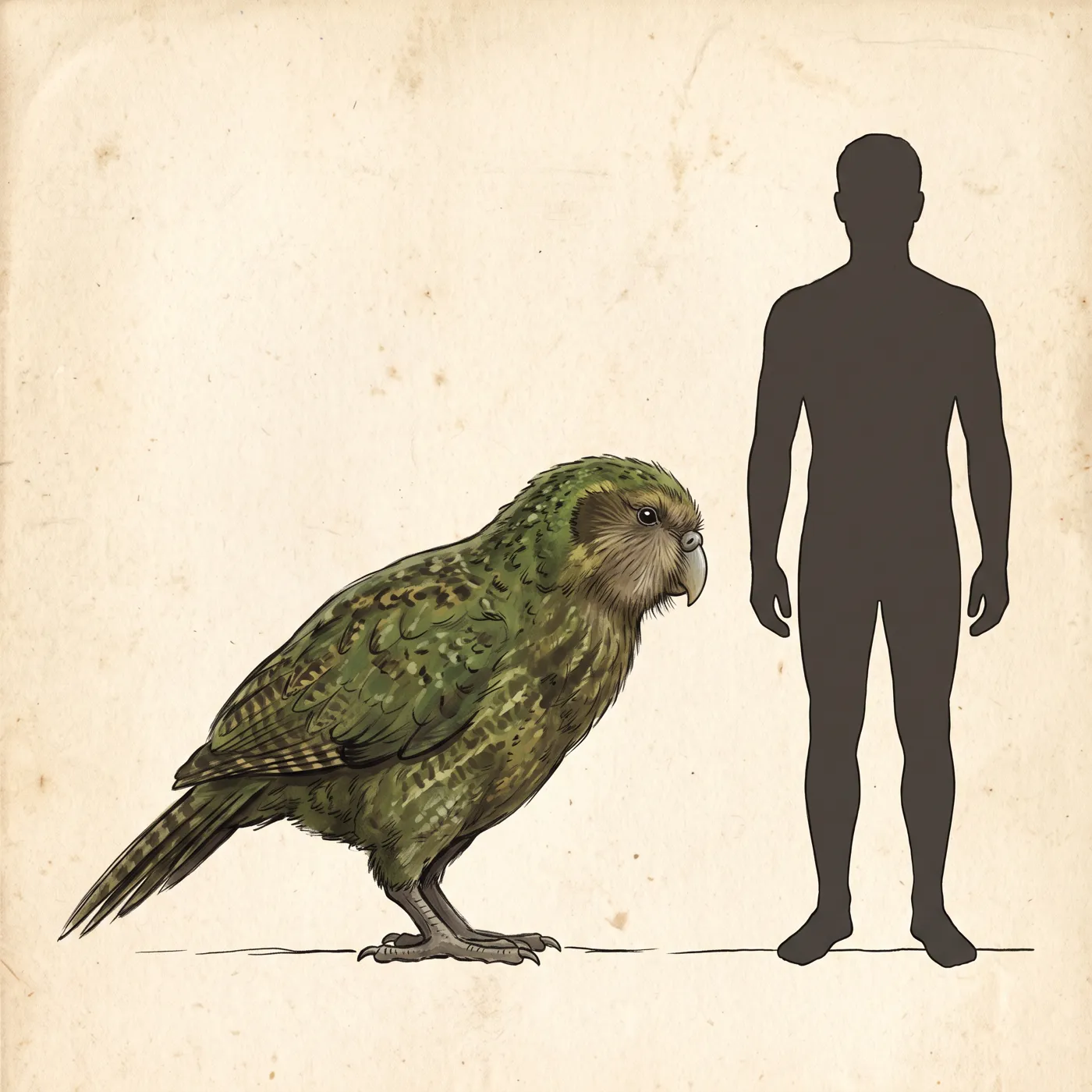
The Kākāpō drawn to scale beside a human figure
Scale study · beside a human figure

Did you know

A kākāpō cannot fly, but it climbs high into trees — and comes down in what one account calls a controlled plummet.

This week’s act · for the Kākāpō

Meet Kākāpō Recovery

See how New Zealand’s Department of Conservation and Ngāi Tahu run the programme that watches over every living kākāpō.

with NZ Department of Conservation

5 minutes · Worldwide · verified 22 August 2026

Witness records that this door was opened. It never claims the outcome.

Help & protection

  • NZ Department of Conservation

    Kākāpō Recovery

    The national programme, run with Ngāi Tahu, that monitors and manages every living kākāpō on predator-free sanctuaries.

    View initiative ↗Verified 24 August 2026

Sources & verification

Status
Nationally Critical
Range (generalized)
Predator-free island and fenced sanctuaries, New Zealand
Fact-checked
25 August 2026
Location review
generalized
Artwork
AI-assisted stylized illustration
  1. NZ Department of Conservation

    Kākāpō

    Open source ↗Last accessed 22 August 2026
  2. NZ Department of Conservation

    Kākāpō Recovery — what we do

    Open source ↗Last accessed 22 August 2026
  3. New Zealand Birds Online

    Kākāpō

    Open source ↗Last accessed 24 August 2026

Record last fact-checked 25 August 2026. The illustrations are original, drawn for Witness; they are not photographs.

In the app, this card arrives on a Monday.

Meet the species, bear witness once, take up its act. The weekly card is free and stays free.