Skip to content
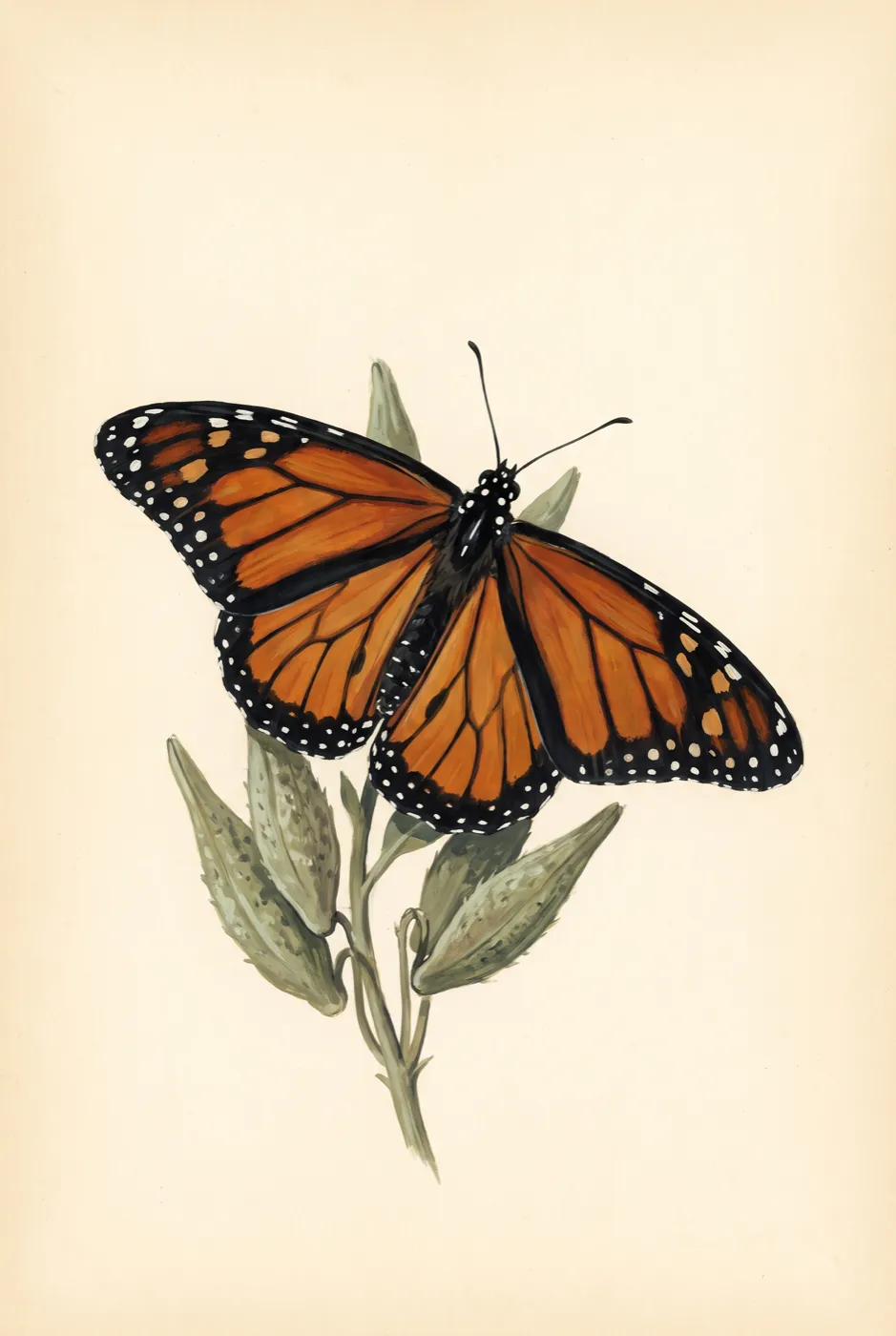
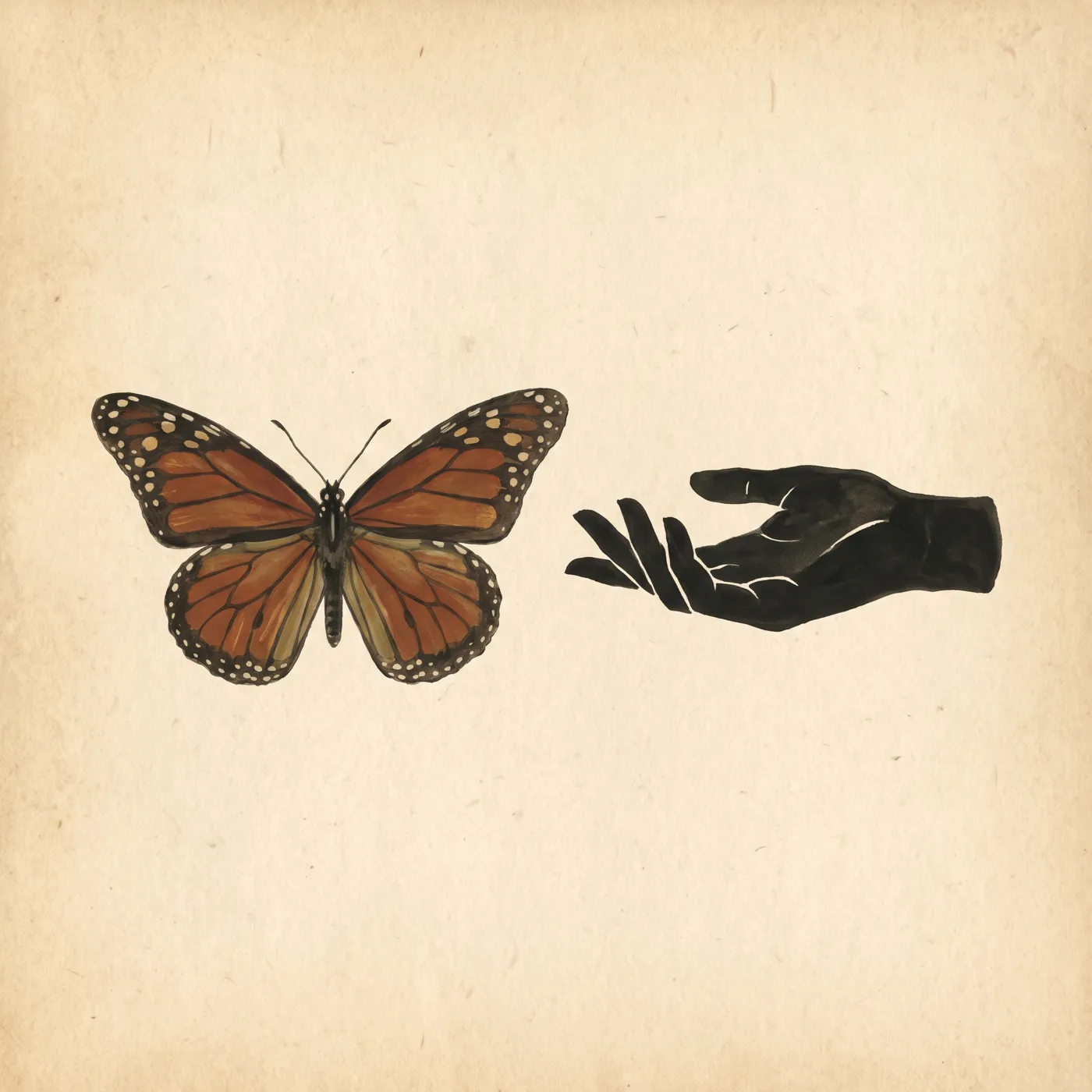
Original illustration of the Monarch Butterfly

Card 05 of 30

Monarch Butterfly

Danaus plexippus

In Decline

A migration measured in generations is growing thin.

Size
Not yet verified
Lifespan
A few weeks — 8–9 months for the migratory generation
Diet
Caterpillars: milkweed only · adults: nectar
Remaining↓
Not yet verified
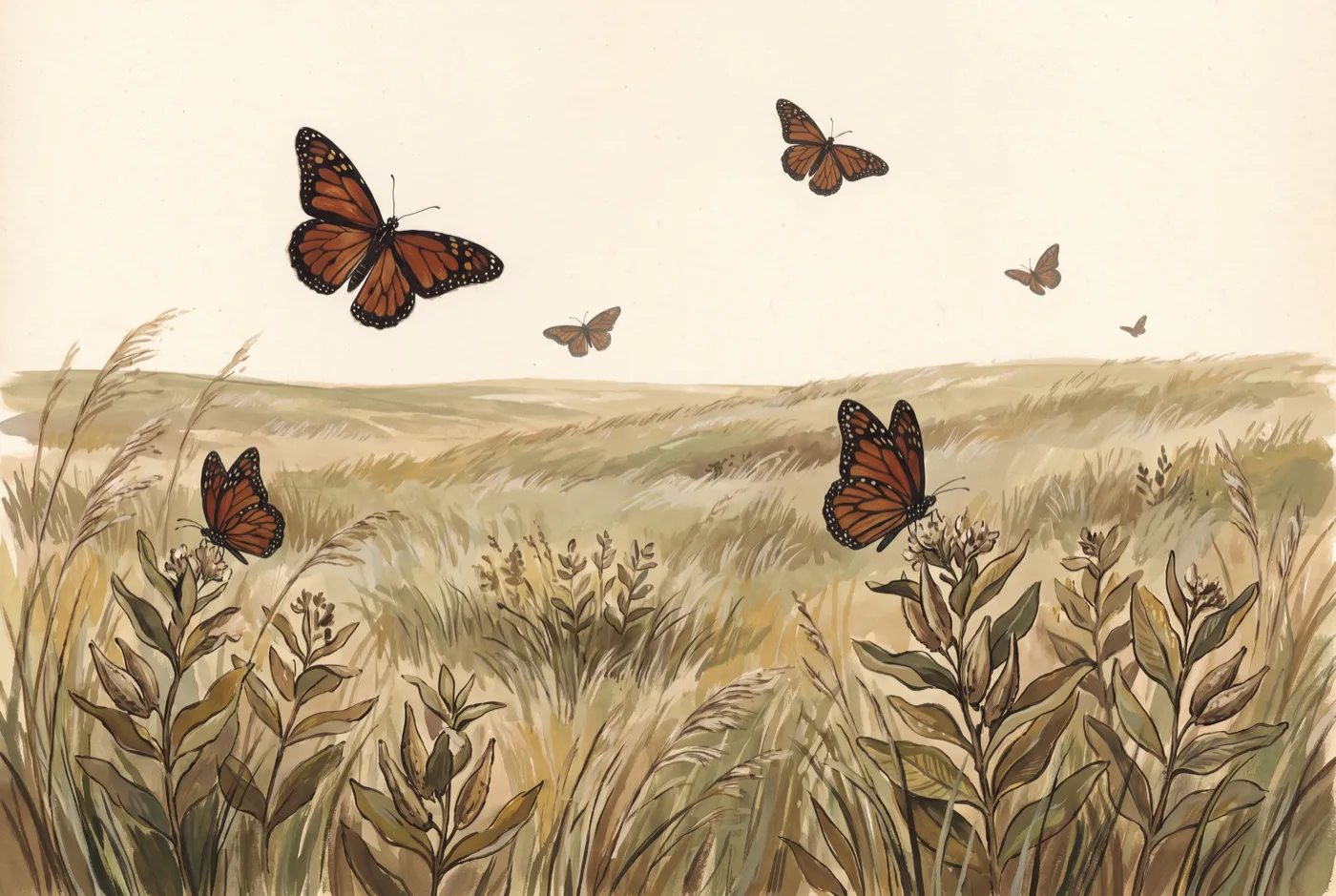
The Monarch Butterfly in its habitat, an original illustration
North America, overwintering in central Mexico and coastal California

Where it lives

North America, overwintering in central Mexico and coastal California

Ranges stay general on purpose. Witness never publishes a location that could help someone find an animal already under pressure.

See it on the map

What threatens it

  • Milkweed & habitat loss
  • Pesticides
  • Climate change
  • Shrinking winter forests

Life cycle

Monarchs lay their eggs only on milkweed, the caterpillars’ sole food. Most adults live a few weeks — but the generation that emerges in late summer is born to travel, living eight or nine months to complete the migration.

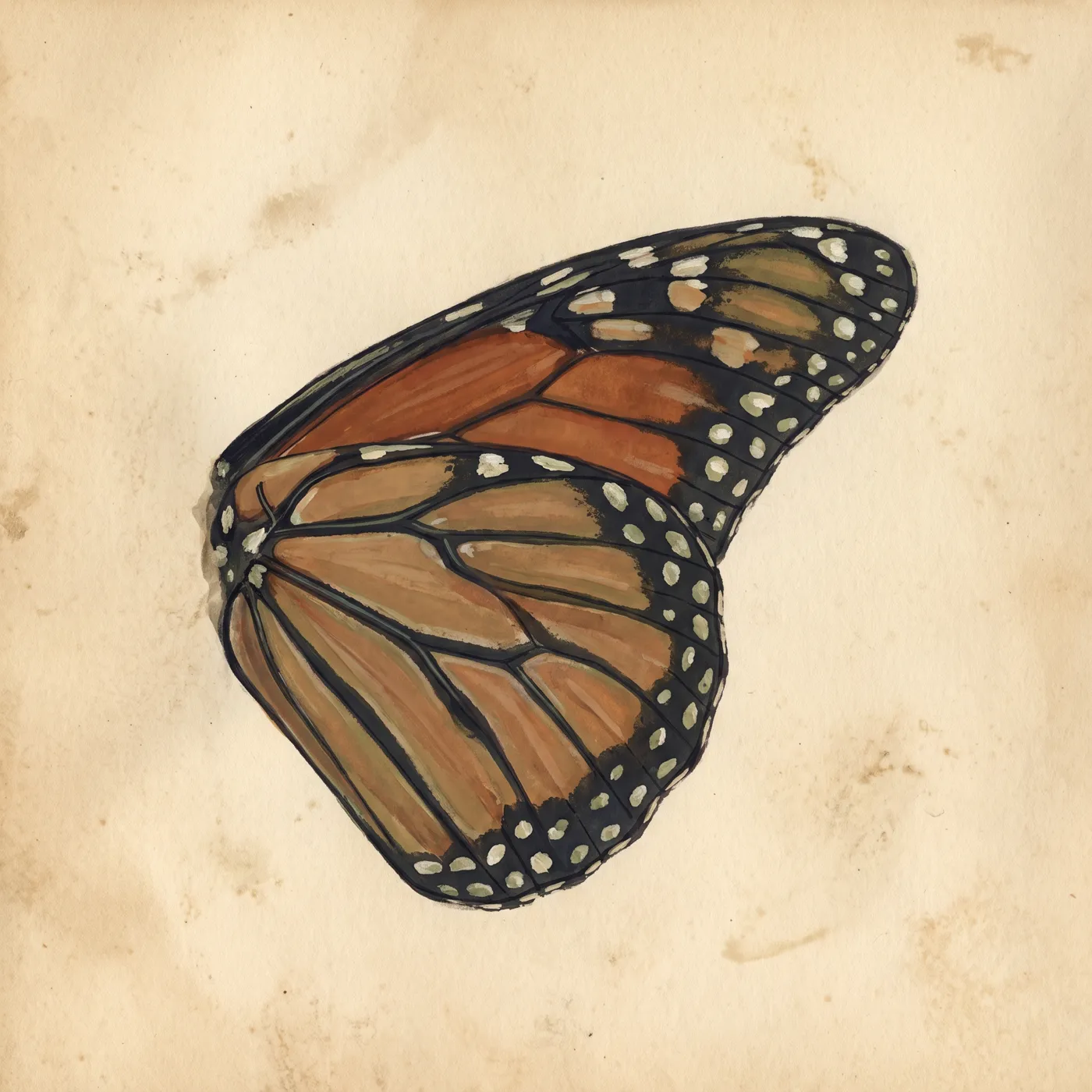
Field study of the Monarch Butterfly, an original illustration
Field study · Monarch Butterfly
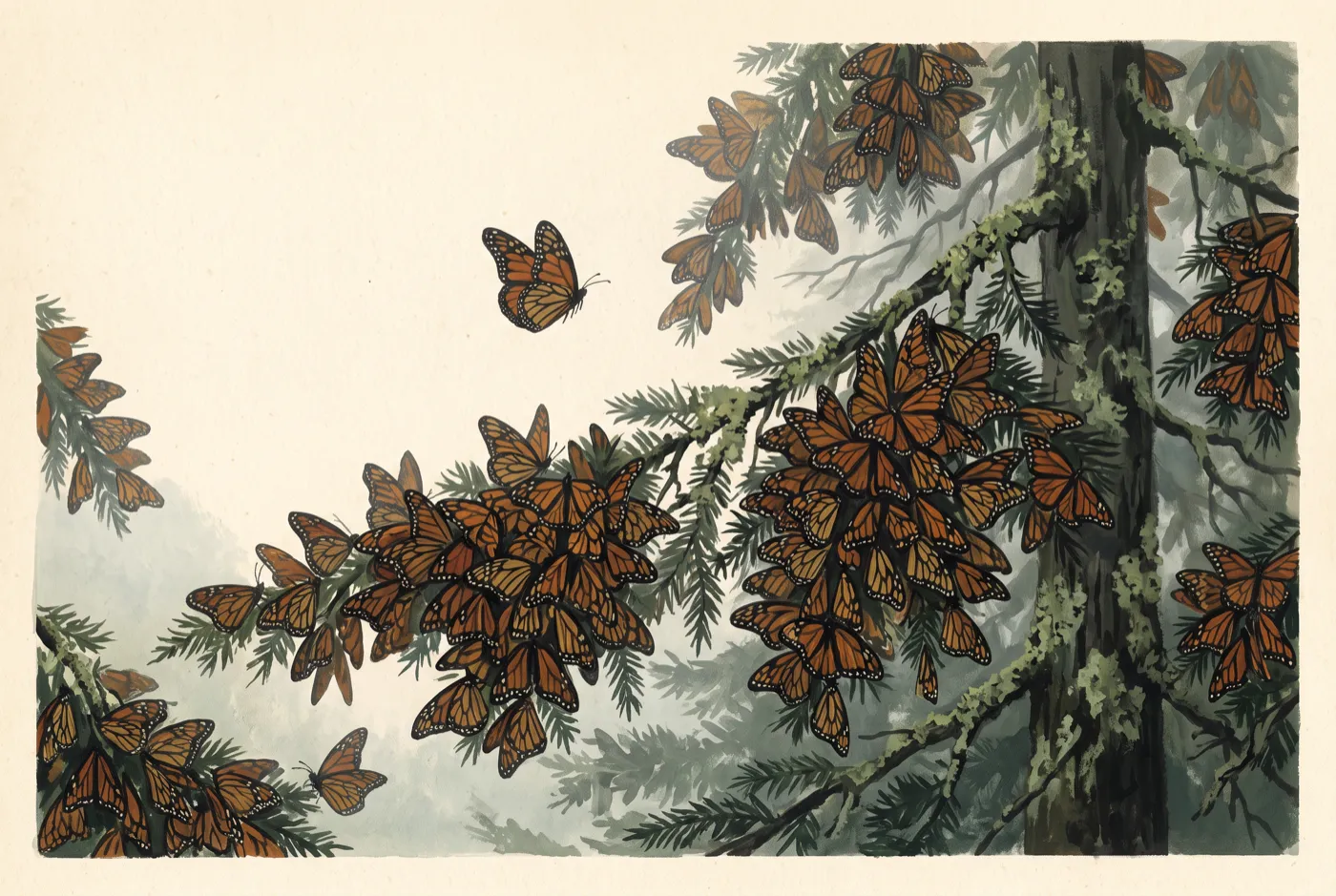
The Monarch Butterfly observed in the field, an original illustration
Field observation

Field notes

Every passage carries the number of the source it came from. Nothing here is written from memory.

The monarch is the rare wild animal almost everyone has met: an orange-and-black butterfly drifting through a summer garden.Source 1

More than beautiful, monarchs are pollinators—while feeding on nectar they pollinate many kinds of wildflowers.Source 1

Their caterpillars, though, eat one thing. Monarchs must lay their eggs on milkweed.Source 1Source 2

Each autumn, monarchs east of the Rockies fly to overwinter in the mountains of central Mexico, while western monarchs gather at sites on the California coast.Source 1Source 2

No single butterfly makes the whole journey. The migration is completed across generations.Source 1

Once abundant across North America, monarchs are now in decline, pressed by habitat loss, pesticides, and a changing climate.Source 2

Their recovery is unusually close to home: milkweed native to your region, nectar flowers from spring through fall, and gardens managed without pesticides.Source 2

To witness the monarch is to notice that even a common wonder can thin—and that a backyard can be part of the answer.Source 2

The Monarch Butterfly drawn to scale beside a human figure
Scale study · beside a human figure

Did you know

Scientists think migrating monarchs navigate by the position of the sun — on a route they have never flown before.

This week’s act · for the Monarch Butterfly

Plant native milkweed

Use the Xerces Society’s regional guides to plant milkweed native to your area and nectar flowers that bloom spring through fall—and skip the pesticides.

with Xerces Society

One garden season · North America · verified 22 August 2026

Witness records that this door was opened. It never claims the outcome.

Help & protection

  • Xerces Society

    Monarch conservation

    Regional milkweed and nectar-plant guides, overwintering-site protection, and community science for monarch recovery.

    View initiative ↗Verified 24 August 2026
  • Monarch Watch

    Tagging & waystations

    University of Kansas programme for monarch tagging, research, and registering pollinator waystation habitat.

    View initiative ↗Verified 24 August 2026

Sources & verification

Status
In Decline
Range (generalized)
North America, overwintering in central Mexico and coastal California
Fact-checked
25 August 2026
Location review
generalized
Artwork
AI-assisted stylized illustration
  1. U.S. National Park Service

    Pollinators — Monarch butterfly

    Open source ↗Last accessed 22 August 2026
  2. Xerces Society

    Monarch Conservation

    Open source ↗Last accessed 22 August 2026
  3. Monarch Watch (University of Kansas)

    Monarch Watch

    Open source ↗Last accessed 24 August 2026

Record last fact-checked 25 August 2026. The illustrations are original, drawn for Witness; they are not photographs.

In the app, this card arrives on a Monday.

Meet the species, bear witness once, take up its act. The weekly card is free and stays free.