Skip to content
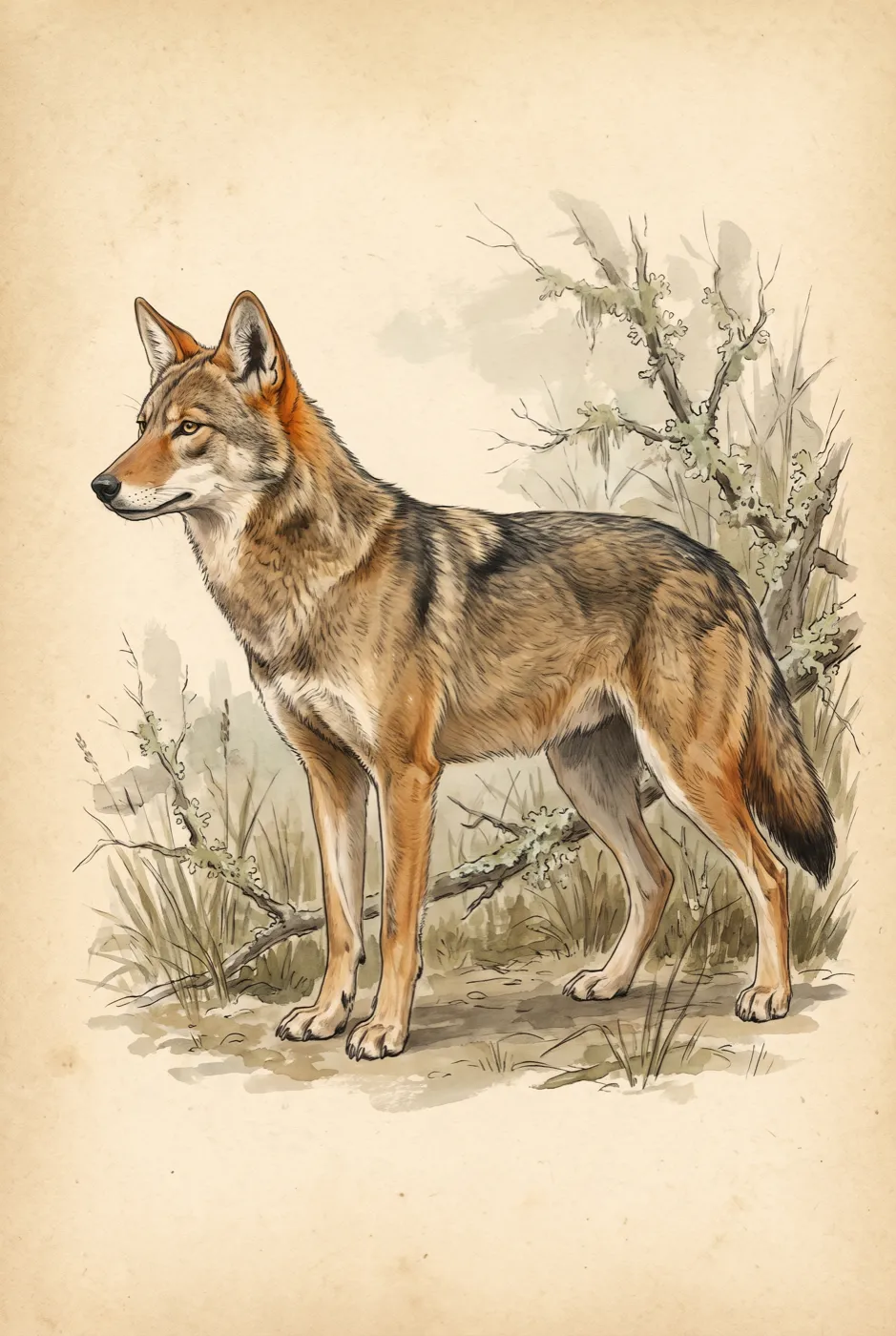
Original illustration of the Red Wolf

Card 28 of 30

Red Wolf

Canis rufus

Critically Endangered

Every red wolf on Earth descends from fourteen animals.

Size
45–80 lbs · 26 in at the shoulder
Lifespan
6–7 years wild · up to 15 in care
Diet
Deer, raccoons, rabbits & rodents
Remaining↑
17 known wild · about 250 in care Jan 2025 · per USFWS
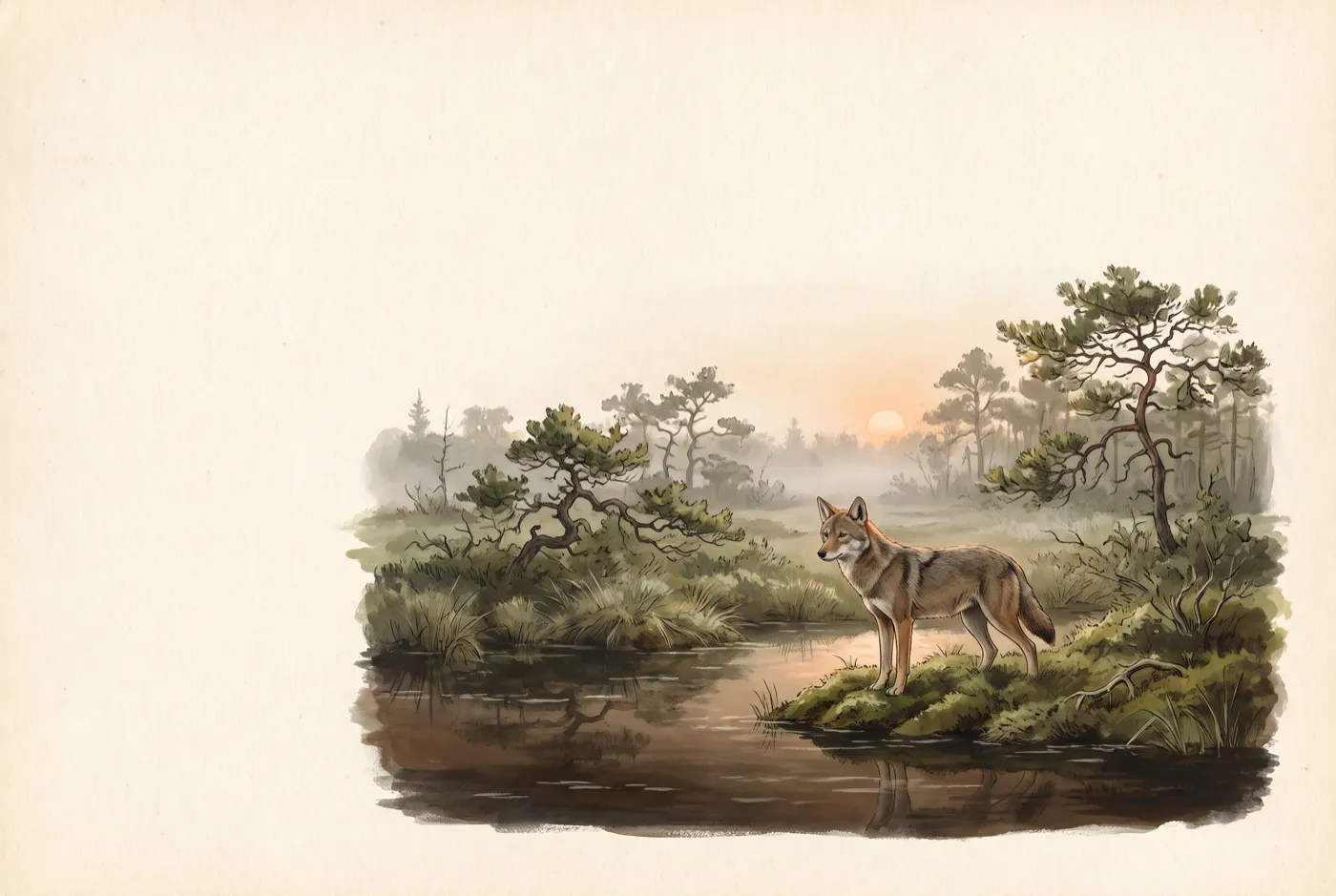
The Red Wolf in its habitat, an original illustration
Albemarle Peninsula, eastern North Carolina

Where it lives

Albemarle Peninsula, eastern North Carolina

Ranges stay general on purpose. Witness never publishes a location that could help someone find an animal already under pressure.

See it on the map

What threatens it

  • Gunshot mortality
  • Vehicle strikes
  • Coyote hybridization
  • Sea-level rise

Life cycle

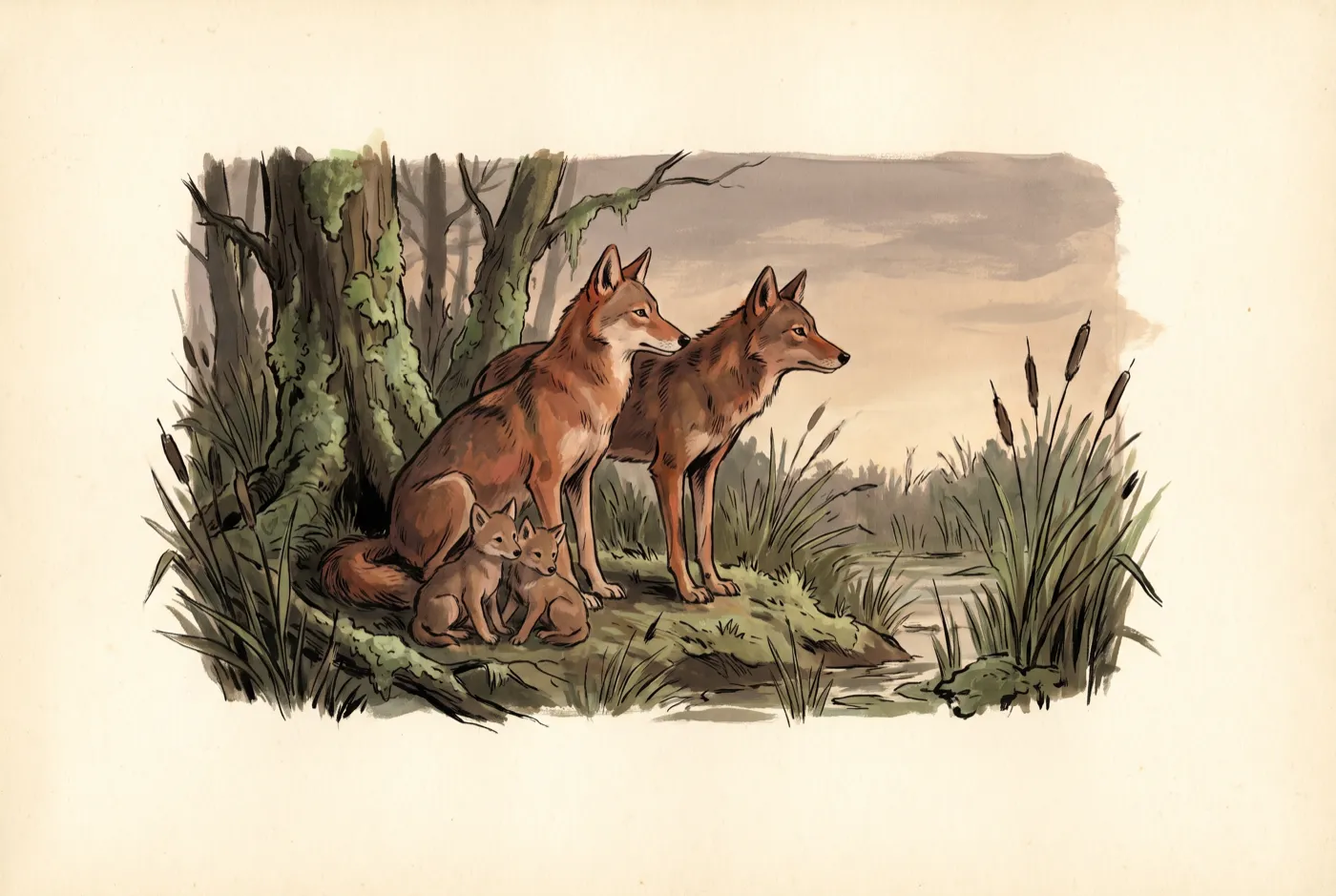
Packs are families: a breeding pair and their offspring, five to eight animals. One litter of three to five pups arrives each spring — sometimes with a zoo-born foster slipped in among them.

Field study of the Red Wolf, an original illustration
Field study · Red Wolf
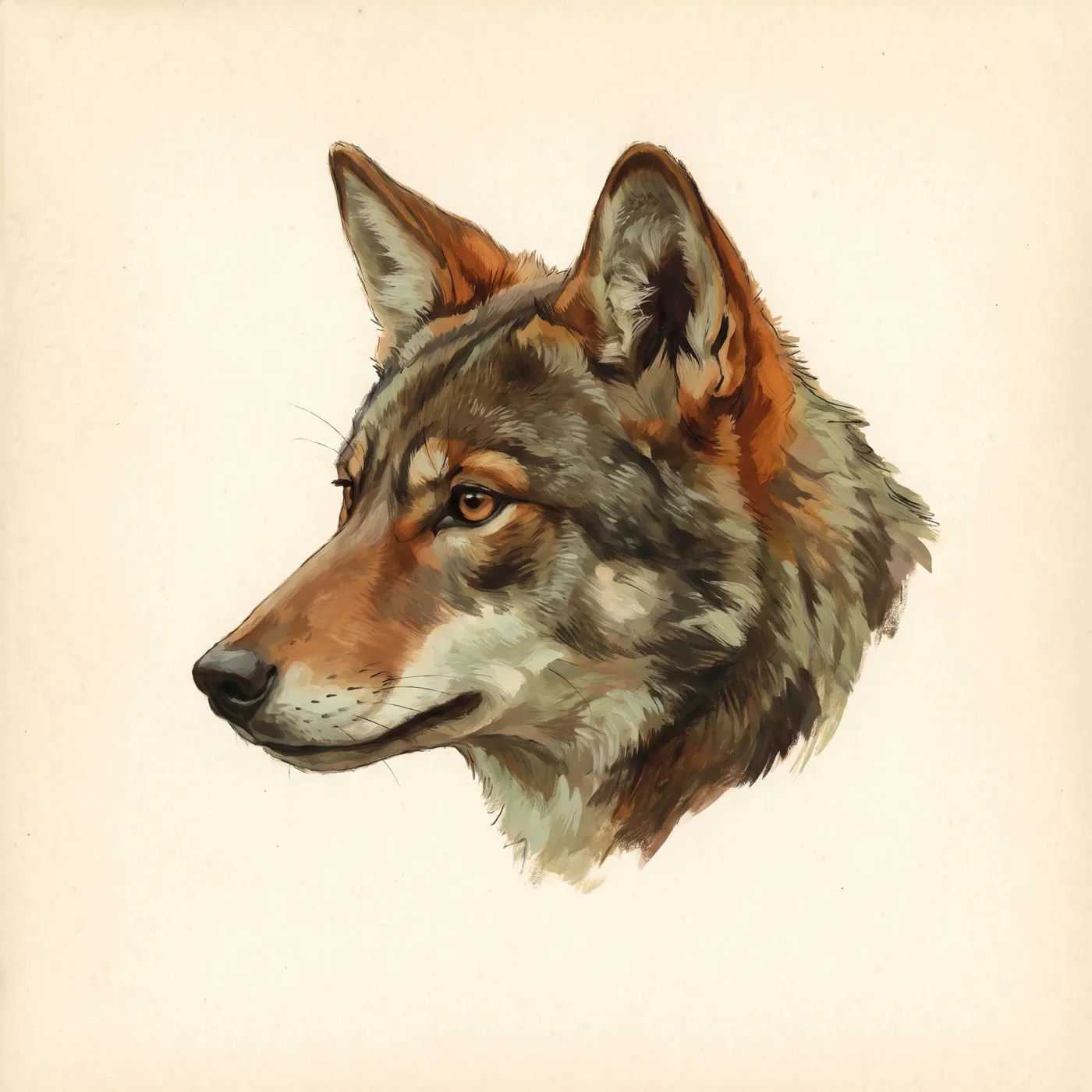
The Red Wolf observed in the field, an original illustration
Field observation

Field notes

Every passage carries the number of the source it came from. Nothing here is written from memory.

The red wolf is built between its cousins: bigger than a coyote, leaner than a gray wolf, with a reddish tinge behind the ears and down the legs.Source 1

It was once the top predator of the American Southeast, from the Gulf Coast to the Ohio Valley.Source 2

By the 1970s it was nearly gone, and biologists made the hardest call: catch every last one.Source 2

Fourteen of the seventeen captured wolves became founders. Every red wolf alive descends from them.Source 1

In 1987, wolves returned to Alligator River, North Carolina — among the first times an extinct-in-the-wild species was rebuilt from captivity.Source 3

The population climbed past 130, then collapsed to eight by 2021 — gunshots, vehicles, and coyote hybridization taking wolves faster than they were born.Source 1Source 2

The rebuilding is intimate: biologists slip captive-born pups, days old, into wild dens, and wild mothers raise them as their own.Source 4Source 5

As of January 2025, seventeen wild red wolves are known — each wearing an orange collar so drivers and hunters know them.Source 6

Behind them stands a captive population of about 250, breeding in zoos across the country.Source 1

To witness the red wolf is to keep faith with one of the world's most endangered wild canids, one den at a time.Source 1
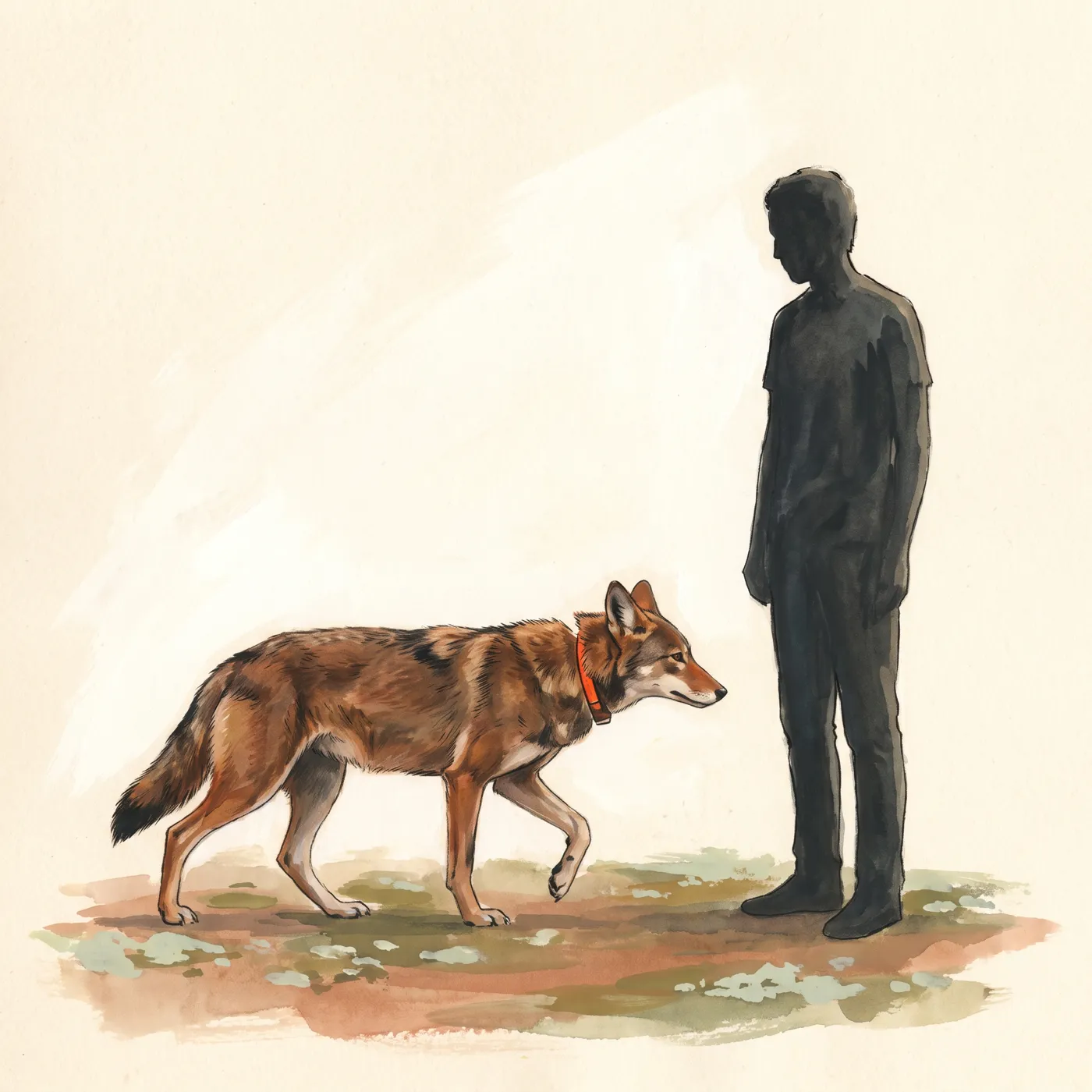

The Red Wolf drawn to scale beside a human figure
Scale study · beside a human figure

Did you know

The red wolf reintroduction became the model — the pilot that paved the way for returning Mexican gray wolves and the wolves of Yellowstone.

This week’s act · for the Red Wolf

Meet the red wolf

Read the Wolf Conservation Center's profile: the fourteen founders, the 1987 return, and the fostering that keeps the wild population alive.

with Wolf Conservation Center

6 minutes · Worldwide · verified 25 August 2026

Witness records that this door was opened. It never claims the outcome.

Help & protection

  • North Carolina Zoo

    Red Wolf SAFE breeding

    Houses one of the world's largest breeding packs — 42 pups since 2016 — and fosters zoo-born pups into wild dens.

    View initiative ↗Verified 25 August 2026
  • Red Wolf Coalition

    Coexistence & education

    Works from Columbia, North Carolina on education, advocacy, and compensation that helps landowners live alongside the wolves.

    View initiative ↗Verified 25 August 2026

Sources & verification

Status
Critically Endangered
Range (generalized)
Albemarle Peninsula, eastern North Carolina
Fact-checked
25 August 2026
Location review
generalized
Artwork
AI-assisted stylized illustration
  1. Wolf Conservation Center

    Red Wolf

    Open source ↗Last accessed 25 August 2026
  2. Red Wolf Coalition

    Facts & Stats

    Open source ↗Last accessed 25 August 2026
  3. Wolf Conservation Center

    Red Wolf Recovery Milestone — 33 Years Wild

    Open source ↗Last accessed 25 August 2026
  4. Wolf Conservation Center

    A New Ray of Hope: Red Wolf Pups in the Wild

    Open source ↗Last accessed 25 August 2026
  5. North Carolina Zoo

    Conserving North Carolina's Red Wolves

    Open source ↗Last accessed 25 August 2026
  6. US Fish & Wildlife Service

    Update on the Eastern North Carolina Red Wolf Population, January 2025

    Open source ↗Last accessed 25 August 2026
  7. Red Wolf Coalition

    Red Wolf Coalition

    Open source ↗Last accessed 25 August 2026
  8. NC Wildlife Resources Commission

    Red Wolf

    Open source ↗Last accessed 25 August 2026

Record last fact-checked 25 August 2026. The illustrations are original, drawn for Witness; they are not photographs.

In the app, this card arrives on a Monday.

Meet the species, bear witness once, take up its act. The weekly card is free and stays free.