Skip to content
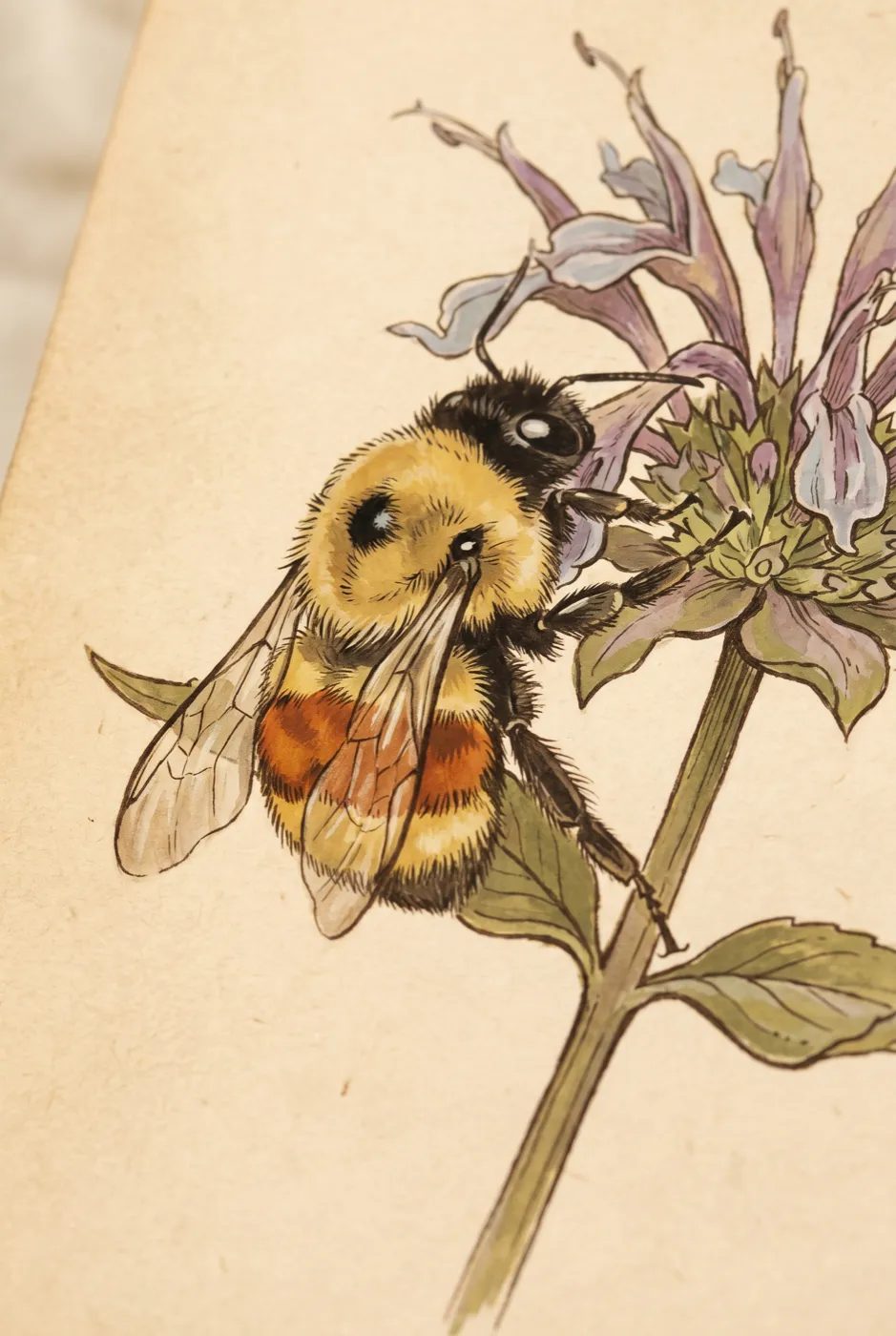
Original illustration of the Rusty Patched Bumble Bee

Card 17 of 30

Rusty Patched Bumble Bee

Bombus affinis

Endangered

A garden can help save this one. Really — yours.

Size
Workers ⅜–⅝ in — thumbnail-sized
Lifespan
One year per colony; queens overwinter
Diet
Nectar & pollen from many wildflowers
Remaining↓
Gone from 87% of its range per the Xerces Society
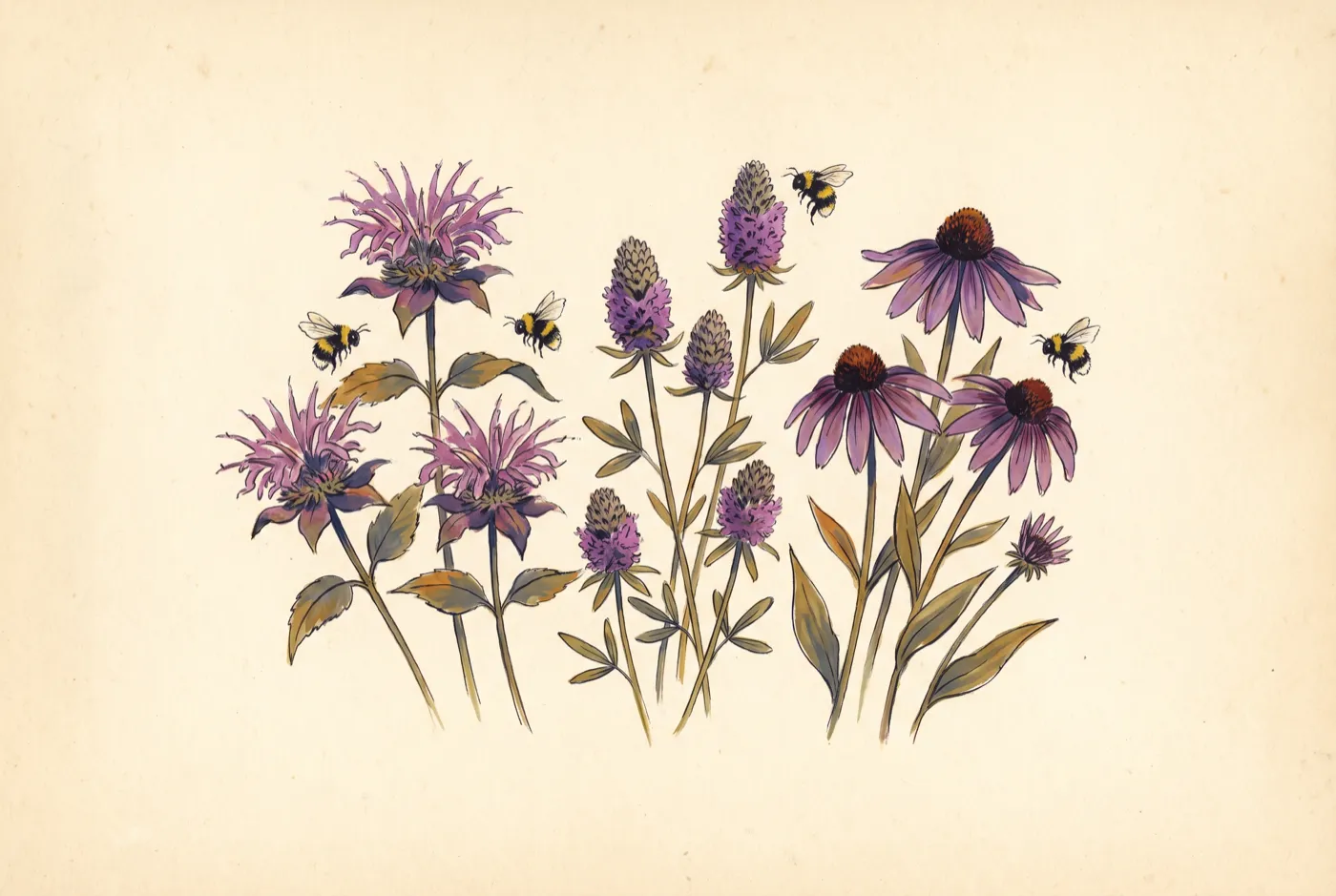
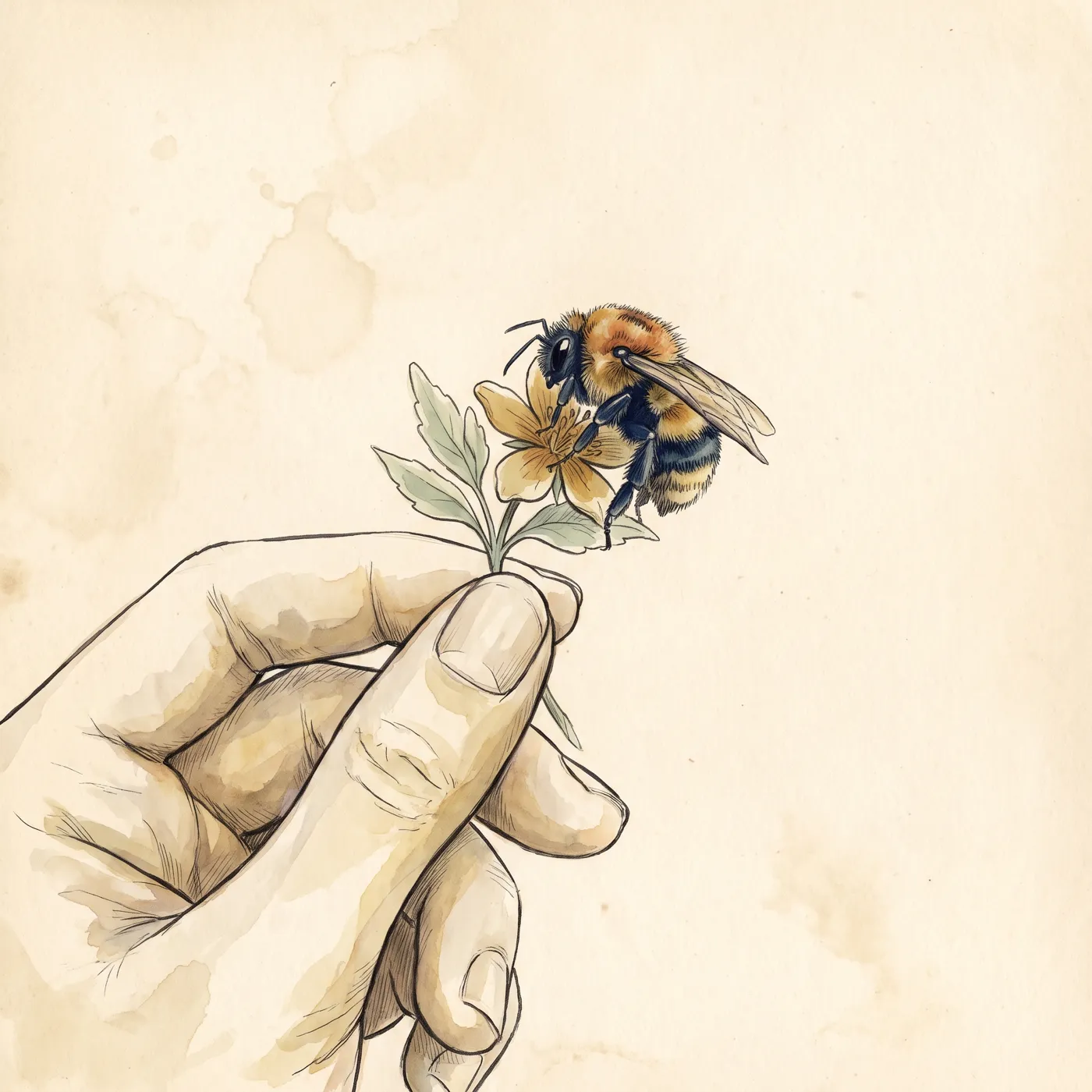
The Rusty Patched Bumble Bee in its habitat, an original illustration
Upper Midwest and eastern United States

Where it lives

Upper Midwest and eastern United States

Ranges stay general on purpose. Witness never publishes a location that could help someone find an animal already under pressure.

See it on the map

What threatens it

  • Commercial-bee pathogens
  • Neonicotinoid pesticides
  • Habitat loss
  • Climate change

Life cycle

A queen wakes from hibernation alone in spring, founds a nest in an old rodent burrow, and raises workers all summer. In late summer new queens mate, then burrow into the soil for winter — each one carrying next year's colony.

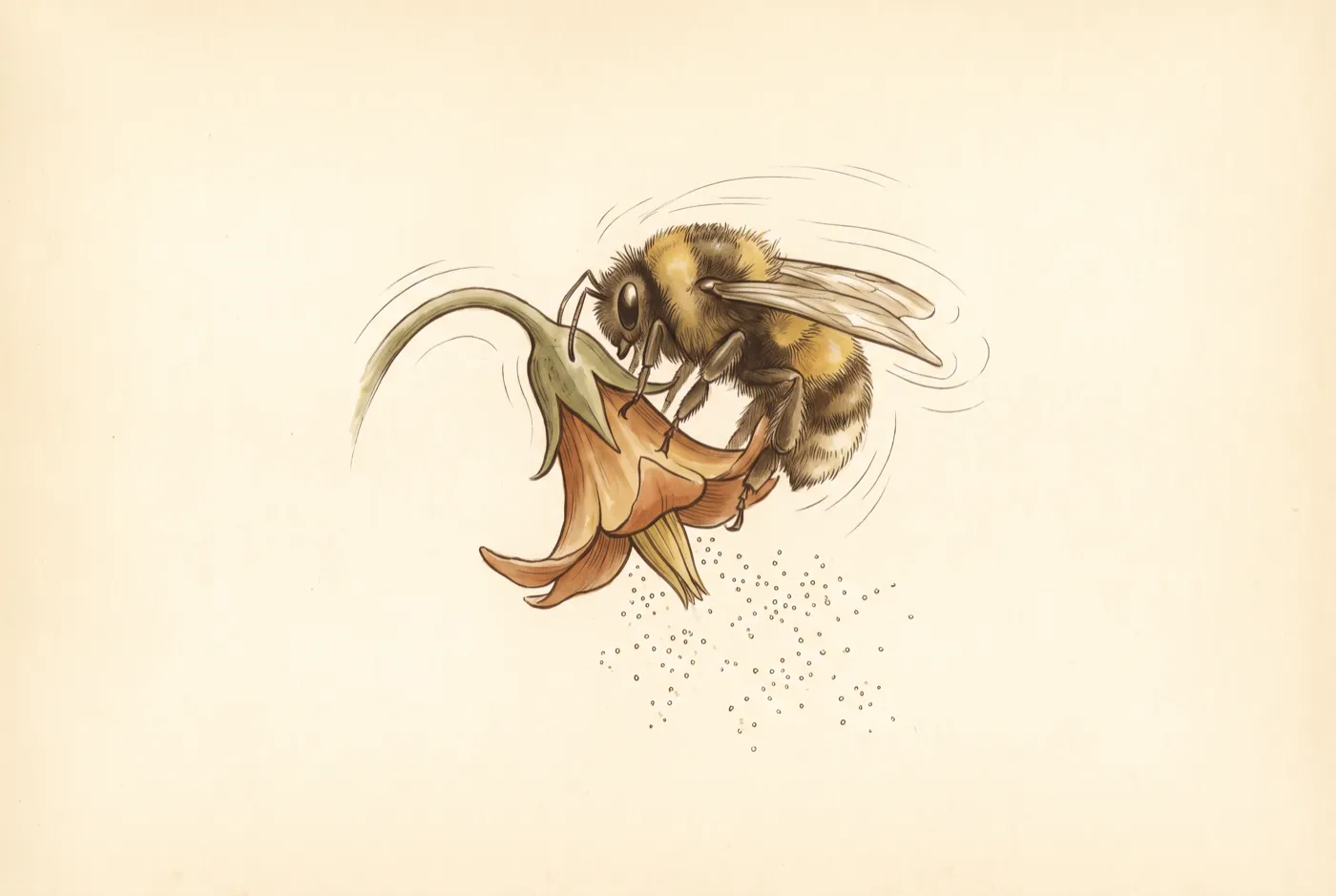
Field study of the Rusty Patched Bumble Bee, an original illustration
Field study · Rusty Patched Bumble Bee
The Rusty Patched Bumble Bee observed in the field, an original illustration
Field observation

Field notes

Every passage carries the number of the source it came from. Nothing here is written from memory.

The rusty patched bumble bee is a half-inch of fur and work: black head, yellow thorax, and on workers and males, a small rust-colored patch.Source 1Source 2

The whole colony lives underground, usually in an abandoned rodent burrow.Source 3

It works flowers the hard way: gripping a bloom in its jaws and vibrating its flight muscles until pollen shakes loose — the buzz that tomatoes and cranberries depend on.Source 4

Each colony lives one year. Every spring, a single overwintered queen rebuilds the whole society from scratch.Source 5

Once common across twenty-eight states, it has vanished from an estimated 87 percent of its range.Source 6

In January 2017 it became the first bee in the continental United States protected under the Endangered Species Act.Source 7

The suspects are quiet ones: disease spilling over from commercially raised bees, and neonicotinoid insecticides on the landscapes that remain.Source 7Source 6

This is a species you can help at home: native flowers blooming spring through fall, no pesticides, and leaves left lying in autumn — they are housing, not trash.Source 8Source 9

Anyone with a camera can help too: photograph a bumble bee, and an expert will verify it on Bumble Bee Watch.Source 10

To witness the rusty patched bumble bee is to notice the half-inch workers holding whole meadows together.Source 4

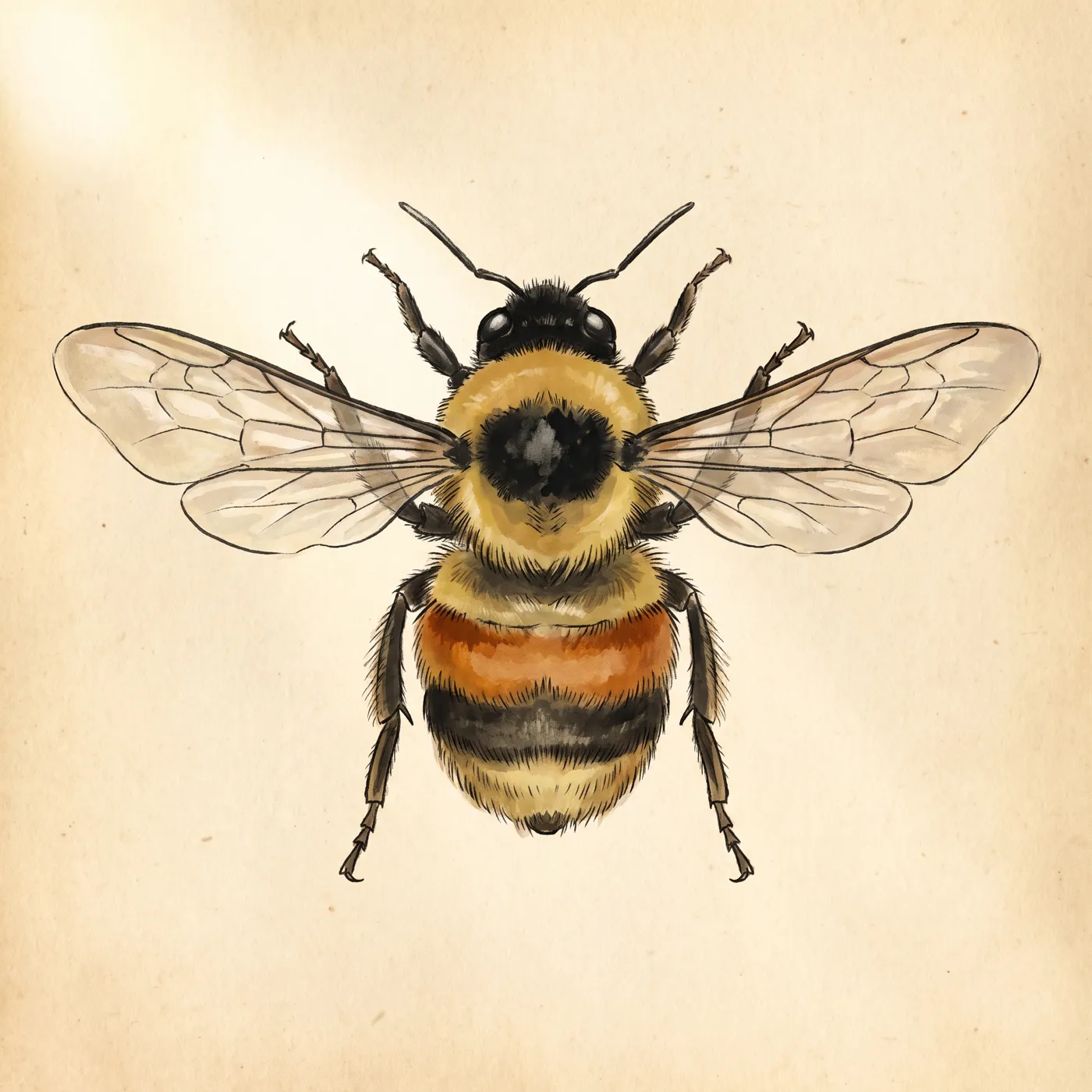
The Rusty Patched Bumble Bee drawn to scale beside a human figure
Scale study · beside a human figure

Did you know

Queens never wear the rusty patch that names the species — only workers and males carry it.

This week’s act · for the Rusty Patched Bumble Bee

Find native plants for your region

Open the Xerces Society's regional native plant lists and pick flowers that give pollinators nectar and pollen from spring through fall.

with Xerces Society

10 minutes · North America; principles apply anywhere · verified 24 August 2026

Witness records that this door was opened. It never claims the outcome.

Help & protection

  • Xerces Society and partners

    Bumble Bee Watch

    Community science: photograph any bumble bee, upload it, and experts verify the sighting to map what survives where.

    View initiative ↗Verified 24 August 2026
  • Xerces Society

    Bring Back the Pollinators

    Four commitments anyone can sign: grow pollinator-friendly flowers, provide nest sites, avoid pesticides, spread the word.

    View initiative ↗Verified 24 August 2026

Sources & verification

Status
Endangered
Range (generalized)
Upper Midwest and eastern United States
Fact-checked
25 August 2026
Location review
generalized
Artwork
AI-assisted stylized illustration
  1. Xerces Society

    Pocket Guide to Identifying the Rusty Patched Bumble Bee

    Open source ↗Last accessed 24 August 2026
  2. Wisconsin DNR

    Small Nest Creates Big BUZZ

    Open source ↗Last accessed 24 August 2026
  3. Xerces Society

    Bumble Bees: Nesting and Overwintering

    Open source ↗Last accessed 24 August 2026
  4. Xerces Society

    Bumble Bee Conservation

    Open source ↗Last accessed 24 August 2026
  5. Minnesota DNR

    Minnesota State Symbols — State Bee

    Open source ↗Last accessed 24 August 2026
  6. Xerces Society

    Rusty Patched Bumble Bee

    Open source ↗Last accessed 24 August 2026
  7. Xerces Society

    The First Bee in the Continental U.S. Protected Under the ESA

    Open source ↗Last accessed 24 August 2026
  8. Minnesota DNR

    Minnesota's Pollinators

    Open source ↗Last accessed 24 August 2026
  9. Xerces Society

    Leave the Leaves

    Open source ↗Last accessed 24 August 2026
  10. Xerces Society and partners

    Bumble Bee Watch

    Open source ↗Last accessed 24 August 2026
  11. Xerces Society

    Pollinator-Friendly Native Plant Lists

    Open source ↗Last accessed 24 August 2026
  12. Xerces Society

    Bring Back the Pollinators

    Open source ↗Last accessed 24 August 2026

Record last fact-checked 25 August 2026. The illustrations are original, drawn for Witness; they are not photographs.

In the app, this card arrives on a Monday.

Meet the species, bear witness once, take up its act. The weekly card is free and stays free.